

The Bond Between Caravan Parks and Britain's Wildlife
Harmony In Nature

Have you ever felt it?
That moment when you step outside your static caravan at dawn. The world still sleeps. Dew clings to blades of grass. And somewhere, not far away, a blackbird announces the new day.
This isn't just a holiday. It's a communion.
The Forgotten Gateway
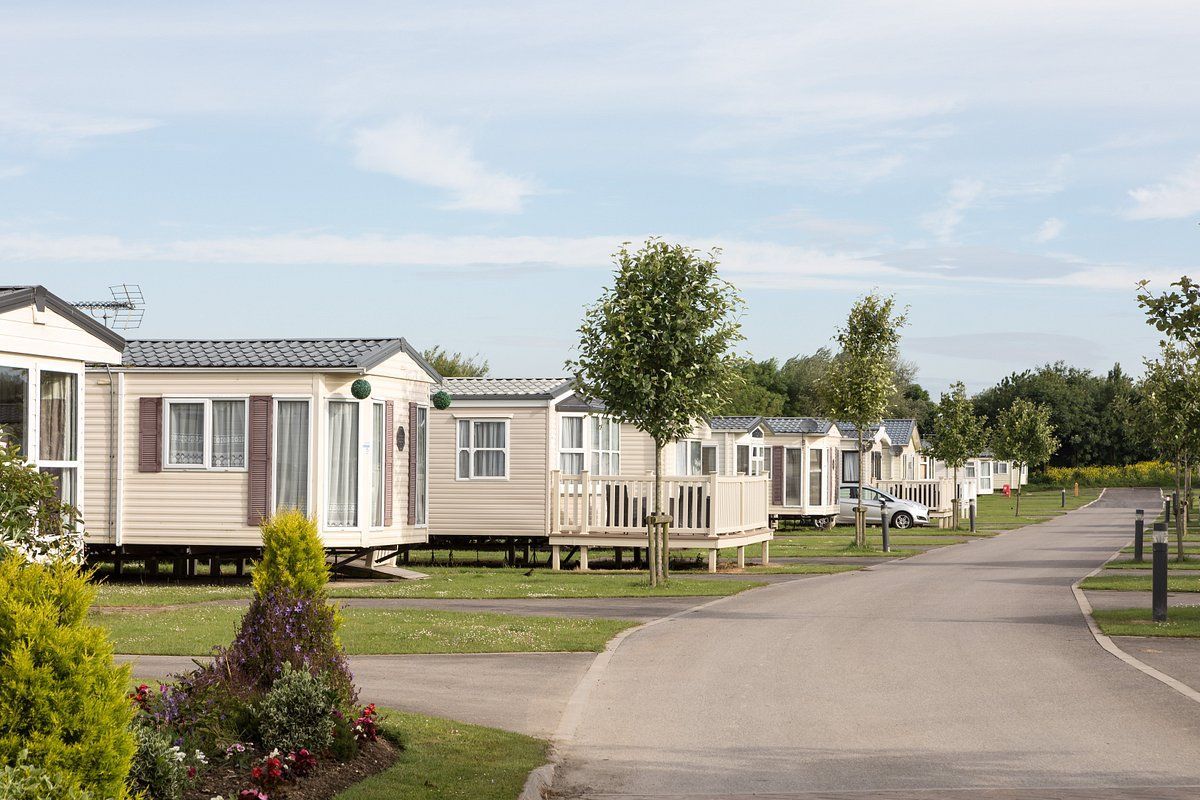
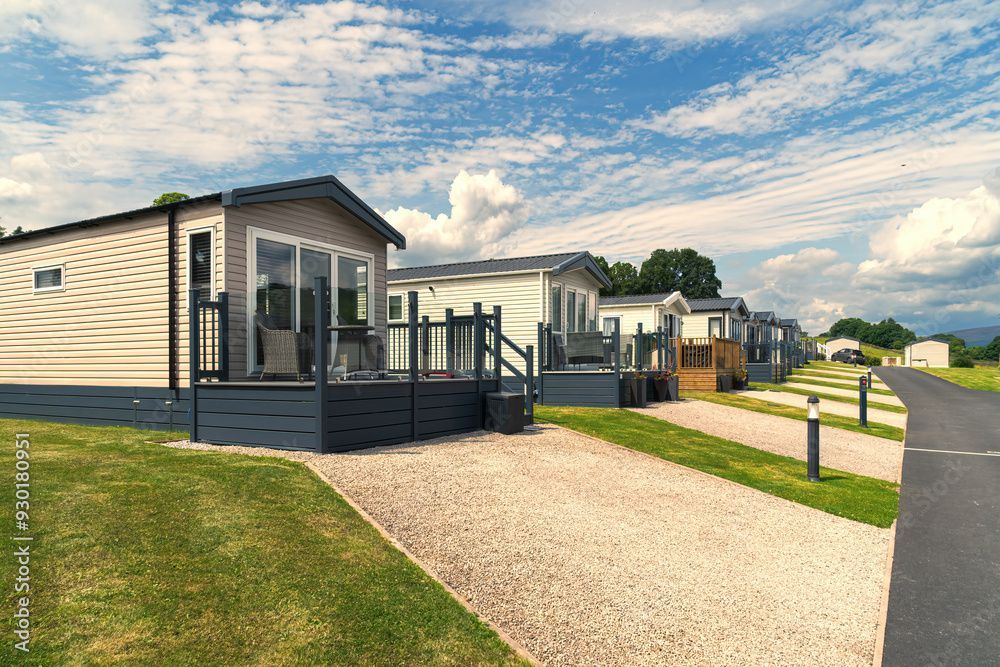
Most people miss it. They drive past caravan parks without realising what truly happens within these special communities. These aren't just places where metal homes sit in neat rows.
They're gateways.
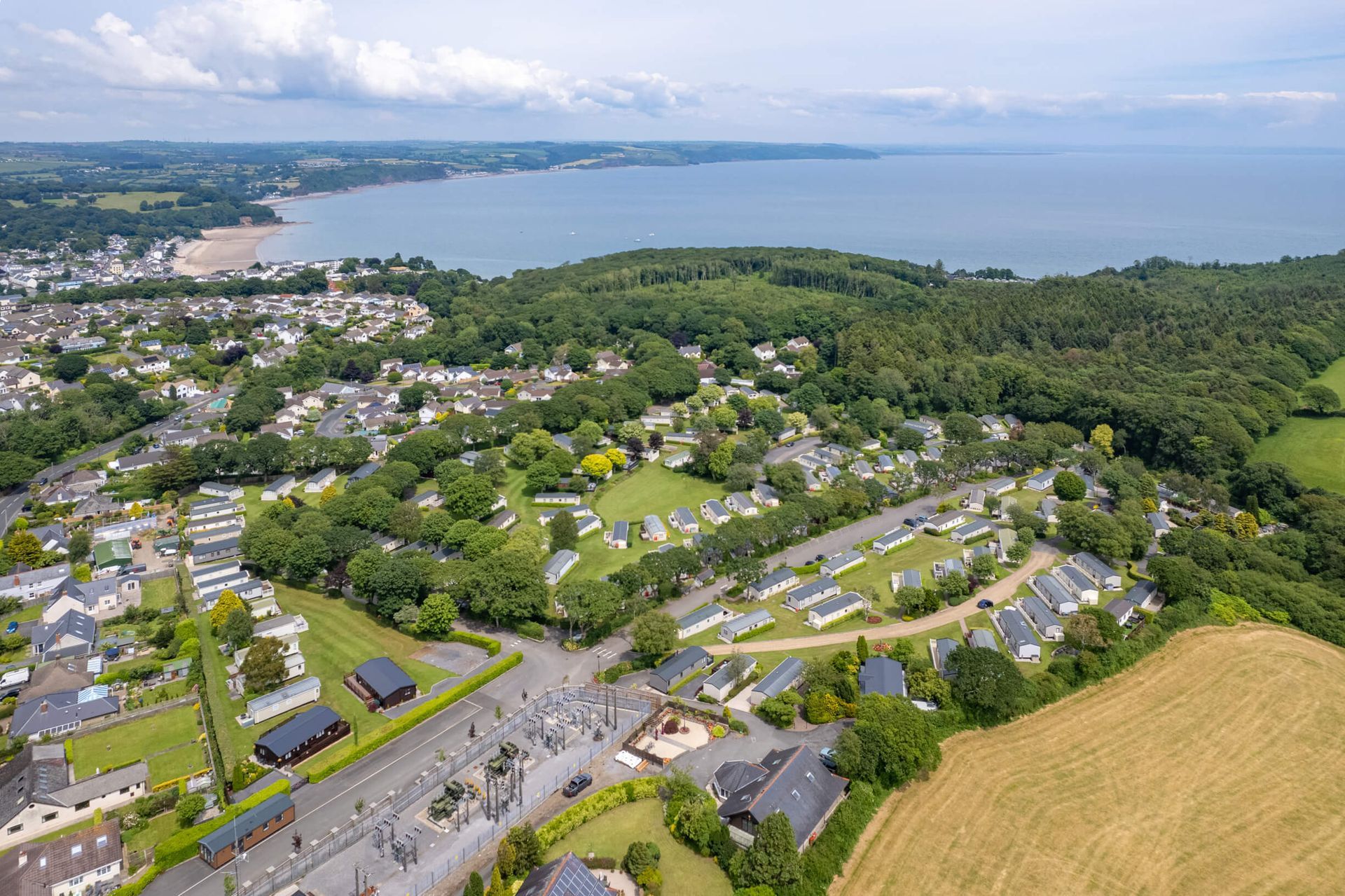
Gateways to our most precious woodlands. To our wild, untamed beaches. To rolling countryside that breathes life into tired souls.
I discovered this truth years ago, standing at the edge of a caravan park in North Norfolk, watching the morning mist rise from ancient woodlands that bordered the site. The revelation was simple yet profound:
Our caravan parks don't just exist alongside nature. They're woven into it.
A Personal Connection
I've been incredibly fortunate to have grown up in the Lake District, and then due to working in the holiday park sector for 24 years, I've never been further away from the sea than a mile.
And my point is this, I consider myself in the lucky few, as for many of the UK population who live in suburbia and busy towns, static holiday homes and lodges can be a cost-effective way of having the ability to wake up to and go to sleep with nature regularly. I, for one, with three dogs, a horse, and a young family, could not live without being 'in' nature. It's my happy place and as important to my mental wellbeing as my family are.
This isn't a luxury to me, I genuinely consider it a necessity.
Nature's Medicine: The Science of Stress Reduction
The feeling of calm that washes over you when stepping into nature isn't just psychological—it's biochemical. Research has consistently shown that time spent in natural environments triggers profound changes in our body chemistry.
When we immerse ourselves in natural settings, our stress hormones—particularly cortisol and adrenaline—significantly decrease. A study published in the International Journal of Environmental Research and Public Health found that just 15 minutes of walking through woodland can help relieve stress and anxiety.
At the same time, our bodies release "happy hormones" that elevate mood and create feelings of wellbeing:
- Serotonin levels rise with exposure to natural light, helping regulate mood, sleep, and appetite
- Dopamine, the reward chemical, increases when we discover new things in nature or accomplish simple outdoor activities
- Endorphins are released during outdoor physical activity, creating natural pain relief and feelings of euphoria
- Oxytocin, the bonding hormone, increases when we share nature experiences with loved ones
The Japanese practice of "forest bathing" (shinrin-yoku) has been extensively studied for its health benefits. Research shows it can boost immune function, lower blood pressure, and help with depression by reducing stress hormones while increasing these mood-enhancing chemicals.
This biochemical response explains why time at a caravan park nestled in nature feels so restorative. It's not just a break from routine—it's medicine for the mind and body.
Guardians of the Wild
Did you know many UK caravan parks actively participate in conservation efforts? They maintain green spaces and support local biodiversity in ways few other tourism ventures can match.
At Tyddyn Isaf Caravan Park in Anglesey, they've created habitats that support local flora and fauna, from wildflower meadows to bird nesting boxes. The park is nestled in an Area of Outstanding Natural Beauty, surrounded by protected landscape teeming with rich biodiversity.
This isn't unusual. Across Britain, from the rugged Scottish Highlands to the gentle South Downs, caravan parks have become unexpected champions of our natural world.
The David Bellamy Conservation Awards: Celebrating Nature's Champions
Perhaps nothing illustrates the deep connection between caravan parks and our natural landscapes better than the prestigious David Bellamy Conservation Awards.
Founded by the late Professor David Bellamy, one of Britain's most beloved environmentalists, this scheme has been recognising and celebrating holiday parks that protect and enhance Britain's natural environment for over 25 years.
"My dream is to upgrade all caravan parks up to some sort of conservation status so that they can educate the visiting public and help them respect and care for the countryside," David Bellamy once said, capturing the essence of his vision.
Parks that participate in the scheme are assessed by a team of local wildlife experts who evaluate their efforts in:
- Managing their land as a haven for wildlife
- Reducing their use of energy, water and other resources
- Reducing, reusing and recycling waste
- Supporting local communities
- Creating new wildlife habitats
The scheme has now evolved into the "David Bellamy Blooming Marvellous Pledge for Nature," where parks commit to at least one major conservation project each year, from creating pollinator patches to rewilding initiatives.
Five Inspiring Award-Winning Parks
- Kelling Heath Holiday Park, Norfolk - This gold award winner boasts 250 acres of woodland and rare open heathland in an Area of Outstanding Natural Beauty. The park runs a red-squirrel breeding programme, maintains an orchard of rare heritage apple varieties, and has created a wildflower meadow showcasing Britain's native flora. They've also pioneered energy solutions with solar-powered shower blocks and bio-diesel produced from waste vegetable oil from their restaurants.
- Skelwith Fold Caravan Park, Ambleside - This Lake District park has created a carbon-neutral office complex with high-efficiency solar panels that generate surplus power for use elsewhere on the park. They've also implemented an ambitious rewilding scheme and used recycled timber from their own grounds in construction projects. The park is on track to achieve net-zero carbon emissions, allowing guests to enjoy truly green holidays.
- Poston Mill, Herefordshire - This family park has been recognised for its extraordinary efforts to protect honey bees, creating special habitats and foraging areas for these vital pollinators. Their work has helped address the alarming decline in bee populations while educating visitors about the importance of these insects to our ecosystem.
- Riverbend Caravan Park, Powys - This Welsh park has opened a care home for orphaned baby hedgehogs, addressing the decline of this beloved British mammal. The hedgehog orphanage provides a safe haven for vulnerable hoglets and helps educate visitors about the challenges facing these creatures in the wild.
- Morben Isaf Holiday Park, Mid Wales - This park has formed a remarkable partnership with the Montgomeryshire Wildlife Trust's Cors Dyfi nature reserve, home to the Dyfi Osprey Project. The park provides water supply, accommodation for volunteers who guard the nest, car parking, and manpower. They've also built bridges and pathways to connect their guests with this important conservation initiative.
These award-winning parks demonstrate that caravan sites aren't just places to stay—they're active participants in preserving and enhancing Britain's precious natural heritage.
The Heartbeat of Connection
Why does this matter so deeply?
Because in our frantically paced world, we've lost something essential. The rhythm of nature. The slow dance of seasons. The whispered secrets of ancient trees. Static caravan parks offer something precious: time to reconnect.
When you stay in a static caravan, you're not just visiting nature. You're living within it. Breathing with it. Moving to its rhythms.
Morning coffee tastes different when woodpeckers provide the soundtrack. Evening walks transform when badger paths cross your own. Sleep comes easier when owls call through the darkness.
The Environmental Embrace
The connection goes deeper than mere proximity. Modern static caravan parks are increasingly embracing environmental responsibility.
Many parks now feature:
- Solar power and renewable energy options
- Comprehensive recycling programs
- Water conservation measures
- Wildlife corridors and conservation areas
As one environmental report notes: "Static caravan parks, when thoughtfully designed and managed, can help preserve natural landscapes. By concentrating holiday accommodation in designated areas, they reduce the spread of development across sensitive environments."
This isn't just good business. It's a recognition of something profound: that these parks exist because of our natural landscapes, not despite them.
The Soul's Sanctuary
I distinctly remember watching a family arrive at a holiday park I worked at in East Yorkshire back in 2009. The parents looked exhausted, the children restless from the journey, they were all snapping at each other and looked anything other than ready for some family time together
Three days later, I saw them again.
The transformation was remarkable. Relaxed shoulders. Genuine smiles. The children's faces smudged with the evidence of an afternoon on rockpool adventures. The reason I remember this exchange so well is because that afternoon, they became owners of their own holiday home on that park. The first of 3 which they would come to eventually own. We are still friends to this day and they only left that park last year.
This is the magic that happens when we step away from concrete and screens, when we allow ourselves to be held by ancient woodlands and wild shores.
Static caravan parks provide more than accommodation. They offer sanctuary for the soul.
The Coastal Connection
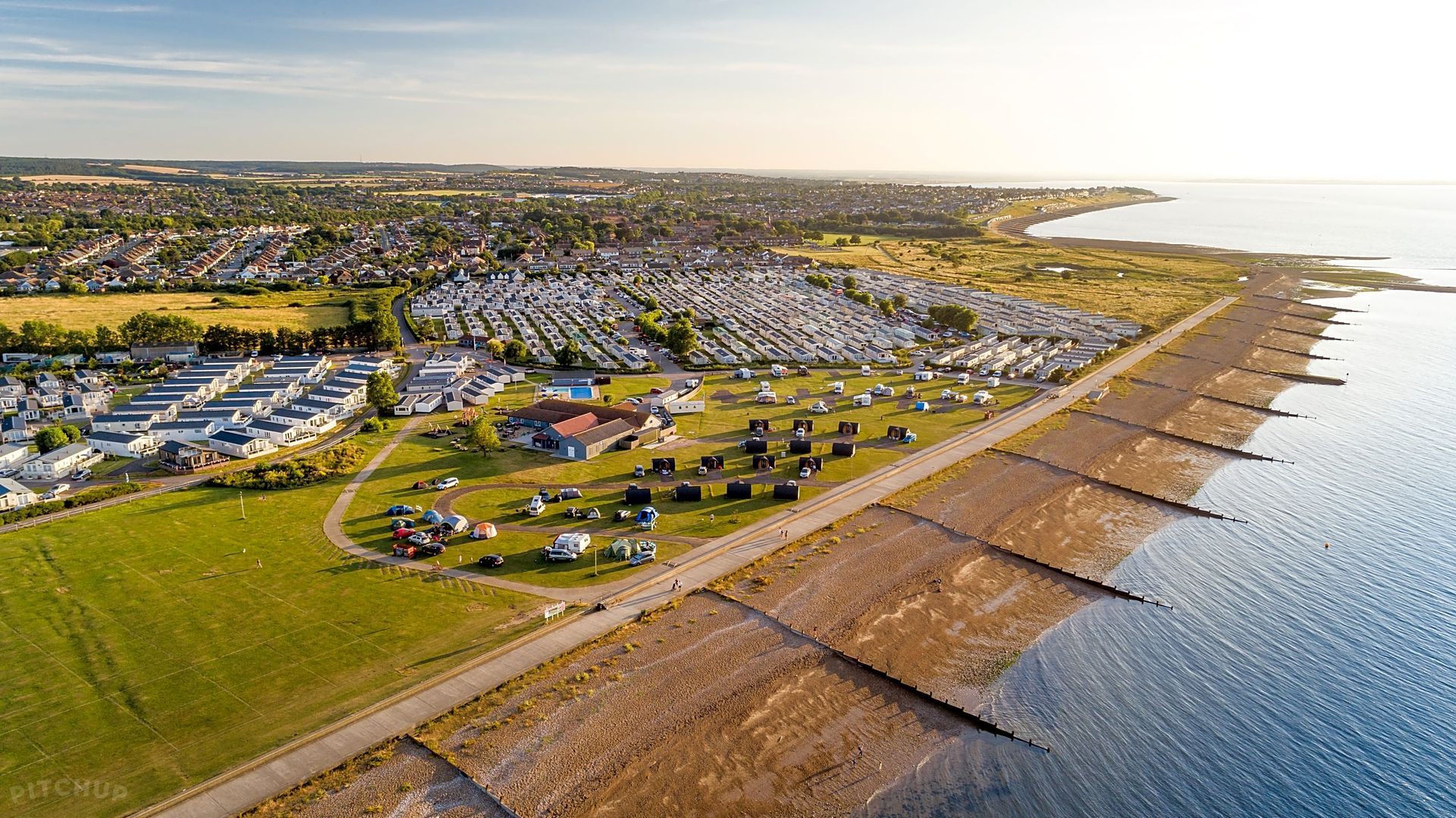
Nowhere is the relationship between caravan parks and nature more evident than along our coastlines.
From the windswept beaches of Northumberland to the sheltered coves of Cornwall, caravan parks have become the guardians of our coastal access.
For many families, these parks represent their only regular connection to the sea. The only chance for children to feel sand between their toes, to discover rockpool treasures, to fall asleep to the rhythm of waves.
"With beautiful countryside, woodland and river scenery, seascapes, superb beaches and pretty rural villages it's a perfect holiday destination," notes one Devon caravan park, capturing the essence of what makes these locations so special.
The Woodland Whisper
There's something about woodlands that speaks directly to the human heart.
Perhaps it's because we evolved beneath their canopies. Perhaps it's the way they breathe with us, exchanging our carbon dioxide for life-giving oxygen. Perhaps it's simply their ancient wisdom, standing witness to centuries while we rush through our brief decades.
Many of Britain's most beloved caravan parks nestle at woodland edges or within forest clearings. These locations aren't accidental. They reflect our deep yearning to be among trees.
At Woodlands Caravan Park in Norfolk, the site "borders the National Trust Sheringham Park with fantastic woodland walks and adventures." This connection to ancient woodland isn't just a selling point—it's the heart of the experience
The Future We Choose
As our world faces unprecedented environmental challenges, the relationship between caravan parks and nature takes on new significance. These parks stand at a crossroads—poised to become either champions of sustainable tourism or casualties of short-term thinking.
The path forward is clear, though not always easy. The most forward thinking holiday parks embraced this a long time ago and a good portion of others have made significant efforts to become far more sustainable.
- Kelling Heath Holiday Park, Norfolk - This gold award winner boasts 250 acres of woodland and rare open heathland in an Area of Outstanding Natural Beauty. The park runs a red-squirrel breeding programme, maintains an orchard of rare heritage apple varieties, and has created a wildflower meadow showcasing Britain's native flora. They've also pioneered energy solutions with solar-powered shower blocks and bio-diesel produced from waste vegetable oil from their restaurants.
- Skelwith Fold Caravan Park, Ambleside - This Lake District park has created a carbon-neutral office complex with high-efficiency solar panels that generate surplus power for use elsewhere on the park. They've also implemented an ambitious rewilding scheme and used recycled timber from their own grounds in construction projects. The park is on track to achieve net-zero carbon emissions, allowing guests to enjoy truly green holidays.
- Poston Mill, Herefordshire - This family park has been recognised for its extraordinary efforts to protect honey bees, creating special habitats and foraging areas for these vital pollinators. Their work has helped address the alarming decline in bee populations while educating visitors about the importance of these insects to our ecosystem.
- Riverbend Caravan Park, Powys - This Welsh park has opened a care home for orphaned baby hedgehogs, addressing the decline of this beloved British mammal. The hedgehog orphanage provides a safe haven for vulnerable hoglets and helps educate visitors about the challenges facing these creatures in the wild.
- Morben Isaf Holiday Park, Mid Wales - This park has formed a remarkable partnership with the Montgomeryshire Wildlife Trust's Cors Dyfi nature reserve, home to the Dyfi Osprey Project. The park provides water supply, accommodation for volunteers who guard the nest, car parking, and manpower. They've also built bridges and pathways to connect their guests with this important conservation initiative.
These award-winning parks demonstrate that caravan sites aren't just places to stay—they're active participants in preserving and enhancing Britain's precious natural heritage.
The Heartbeat of Connection
Why does this matter so deeply?
Because in our frantically paced world, we've lost something essential. The rhythm of nature. The slow dance of seasons. The whispered secrets of ancient trees.
Static caravan parks offer something precious: time to reconnect.
When you stay in a static caravan, you're not just visiting nature. You're living within it. Breathing with it. Moving to its rhythms.
Morning coffee tastes different when woodpeckers provide the soundtrack. Evening walks transform when badger paths cross your own. Sleep comes easier when owls call through the darkness.
The Environmental Embrace
The connection goes deeper than mere proximity. Modern static caravan parks are increasingly embracing environmental responsibility.
Many parks now feature:
- Solar power and renewable energy options
- Comprehensive recycling programs
- Water conservation measures
- Wildlife corridors and conservation areas
As one environmental report notes: "Static caravan parks, when thoughtfully designed and managed, can help preserve natural landscapes. By concentrating holiday accommodation in designated areas, they reduce the spread of development across sensitive environments."
This isn't just good business. It's a recognition of something profound: that these parks exist because of our natural landscapes, not despite them.
The Soul's Sanctuary
I distinctly remember watching a family arrive at a holiday park I worked at in East Yorkshire back in 2009. The parents looked exhausted, the children restless from the journey, they were all snapping at each other and looked anything other than ready for some family time together
Three days later, I saw them again.
The transformation was remarkable. Relaxed shoulders. Genuine smiles. The children's faces smudged with the evidence of an afternoon on rockpool adventures. The reason I remember this exchange so well is because that afternoon, they became owners of their own holiday home on that park. The first of 3 which they would come to eventually own. We are still friends to this day and they only left that park last year.
This is the magic that happens when we step away from concrete and screens, when we allow ourselves to be held by ancient woodlands and wild shores.
Static caravan parks provide more than accommodation. They offer sanctuary for the soul.
The Coastal Connection
Nowhere is the relationship between caravan parks and nature more evident than along our coastlines.
From the windswept beaches of Northumberland to the sheltered coves of Cornwall, caravan parks have become the guardians of our coastal access.
For many families, these parks represent their only regular connection to the sea. The only chance for children to feel sand between their toes, to discover rockpool treasures, to fall asleep to the rhythm of waves.
"With beautiful countryside, woodland and river scenery, seascapes, superb beaches and pretty rural villages it's a perfect holiday destination," notes one Devon caravan park, capturing the essence of what makes these locations so special.
The Woodland Whisper
There's something about woodlands that speaks directly to the human heart.
Perhaps it's because we evolved beneath their canopies. Perhaps it's the way they breathe with us, exchanging our carbon dioxide for life-giving oxygen. Perhaps it's simply their ancient wisdom, standing witness to centuries while we rush through our brief decades.
Many of Britain's most beloved caravan parks nestle at woodland edges or within forest clearings. These locations aren't accidental. They reflect our deep yearning to be among trees.
At Woodlands Caravan Park in Norfolk, the site "borders the National Trust Sheringham Park with fantastic woodland walks and adventures." This connection to ancient woodland isn't just a selling point—it's the heart of the experience
The Future We Choose
As our world faces unprecedented environmental challenges, the relationship between caravan parks and nature takes on new significance. These parks stand at a crossroads—poised to become either champions of sustainable tourism or casualties of short-term thinking.
The path forward is clear, though not always easy. The most forward thinking holiday parks embraced this a long time ago and a good portion of others have made significant efforts to become far more sustainable