UK Caravan Parks: Holiday vs Residential Explained
Looking to sell your static caravan privately? Or currently looking at buying and wondering if a holiday park or residential park is right for you?
The UK caravan market is still strong, but many people still don't understand the crucial differences between these two types of parks.
This guide explains everything you need to know about holiday parks vs residential parks, with expert advice for buyers and sellers alike.
Understanding the Core Differences
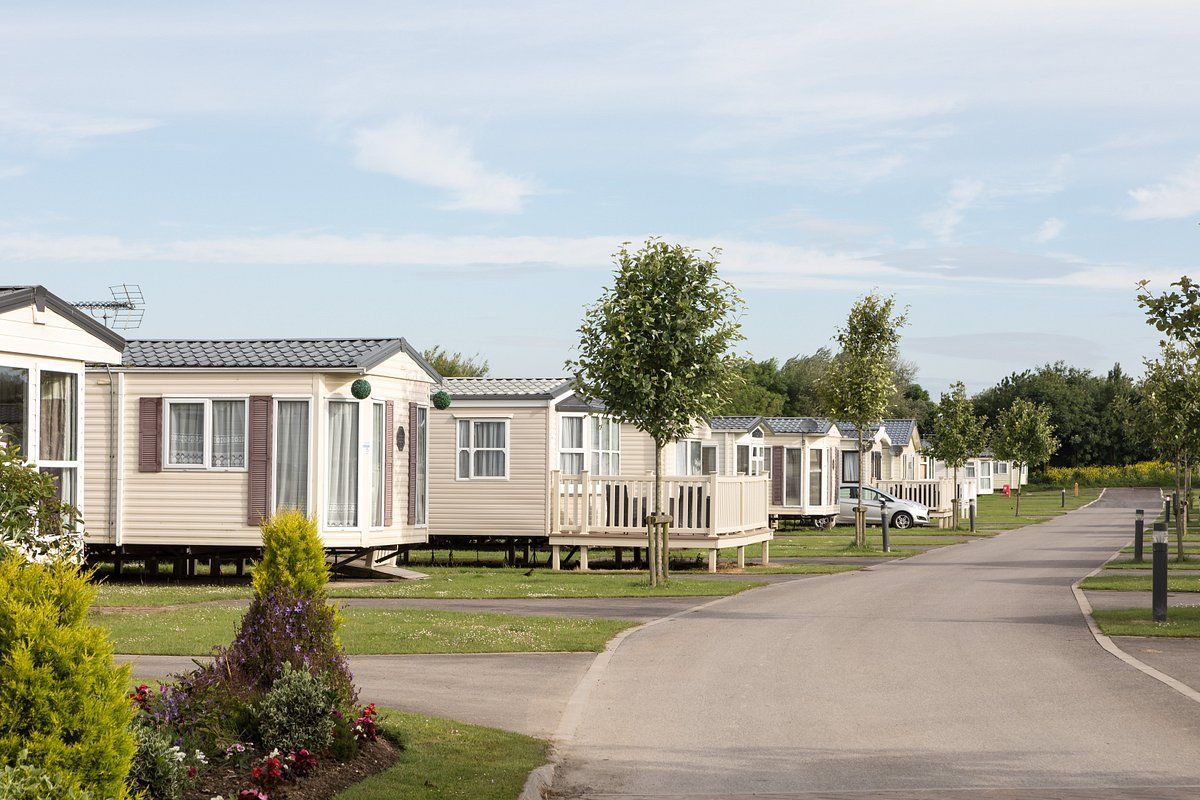
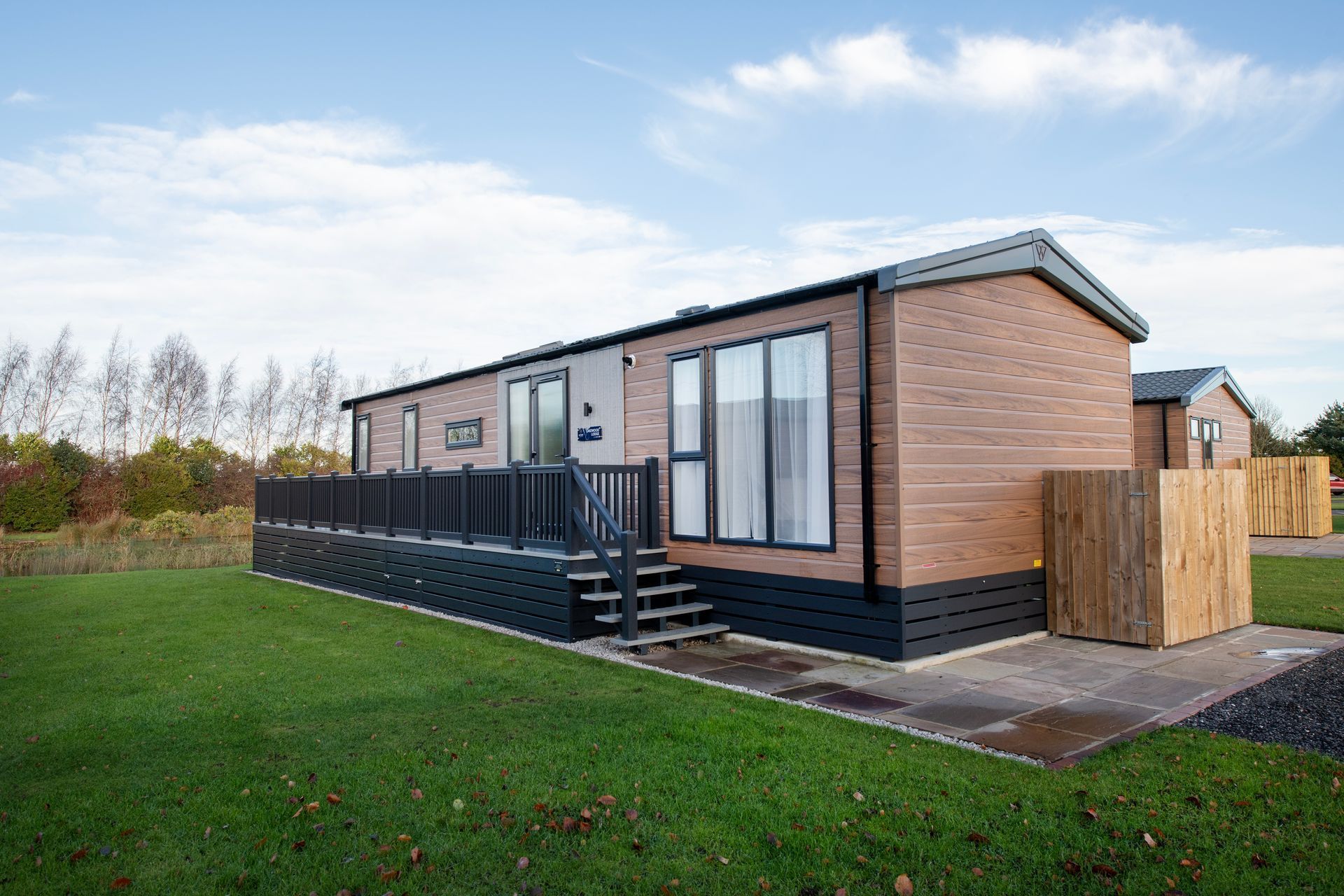
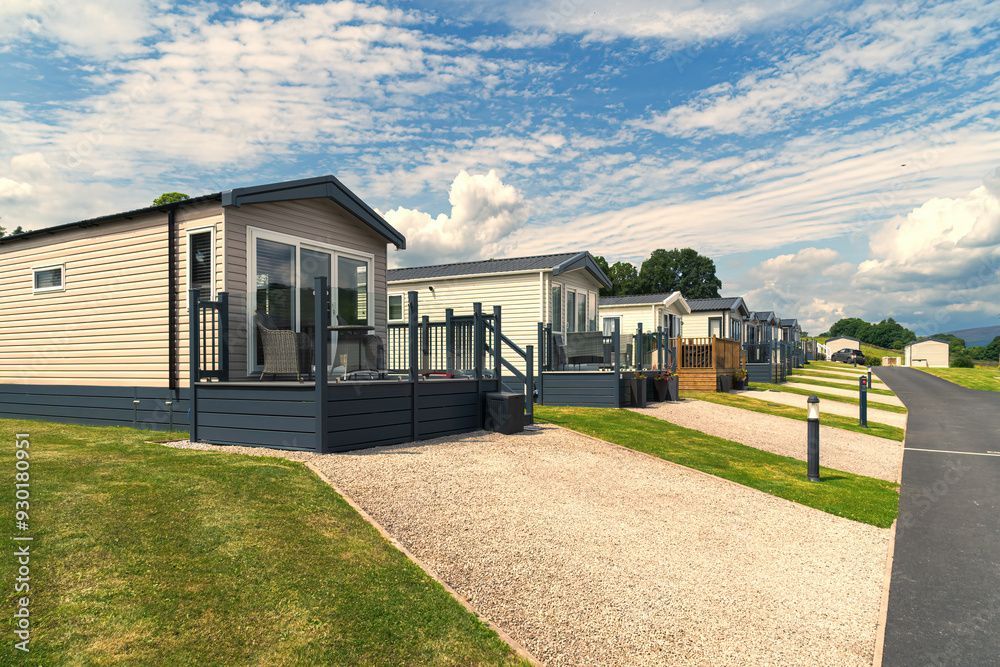
Holiday parks and residential parks serve completely different purposes under UK law.
Residential parks provide permanent homes where you can legally live year-round. They're your main residence, complete with legal protections.
Holiday parks are strictly for leisure and holiday purposes. As per their name, they are for holidays and you cannot use them as your permanent address.
This distinction affects everything from how you use your property to how you sell it later.
The Holiday Park Market: A Growing Industry
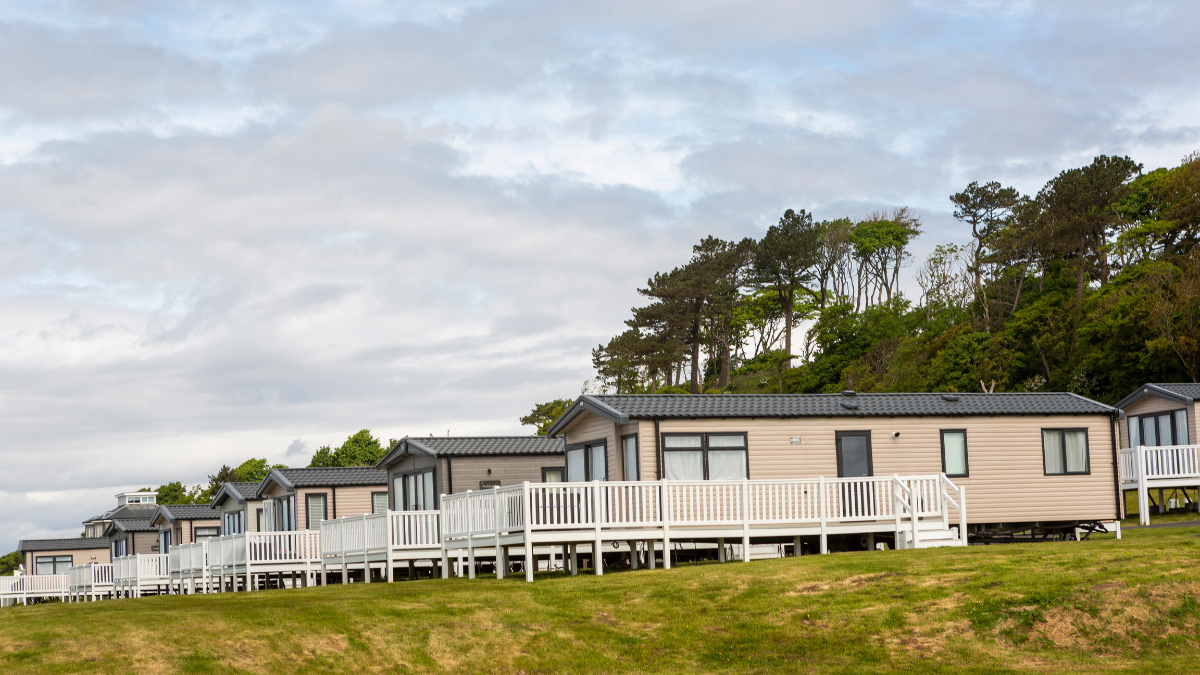
The UK caravan industry contributes over £12 billion annually to the economy, with holiday parks representing a significant portion.
With 47% of UK adults having enjoyed caravan holidays in the past three years, the demand for holiday homes continues to grow.
Selling Your Holiday Home Privately: What You Need to Know
If you're looking to sell your static caravan or lodge privately, understanding the market is essential for a successful sale
The private sale route often yields higher returns than selling back to the park or to trade buyers.
Legal Requirements for Private Sale Caravans
Before listing your holiday home for sale, you must:
- Notify your park owner: Most parks require notification of your intent to sell
- Check first refusal rights: Some parks have the right to buy your unit before it's offered publicly
- Understand transfer fees: The industry standard is around 15% of the selling price plus VAT (on the commission)
- Prepare documentation: Have your licence agreement and park rules ready to share with potential buyers
Common Questions When Selling Static Caravans Privately
Private sellers often ask:
- "Do I pay capital gains tax on my static caravan?" No - caravans are considered wasting assets with lifespans under 50 years
- "Can I get a refund on my site fees?" Usually yes - most parks offer pro-rata refunds for unused periods
- "How quickly will I find a buyer?" This depends on your pricing, presentation, and marketing approach but using a specialist company like www.caravanbuyeruk.co.uk will help
- "Will the park buy my caravan back?" Many parks offer buy-back schemes, but typically at lower prices than private sales
Residential Park Home Market: Different Rules Apply
The residential park home sector operates under different regulations and market conditions:
Recent NCC data shows approximately 1,500 residential park homes were manufactured in 2024, representing a 17% drop from the previous year despite strong buyer demand. It is believed this number has grown substantially in 2025 although figures aren't available yet.
This supply constraint has created opportunities for existing residential park home owners looking to sell.
Legal Framework and Protection
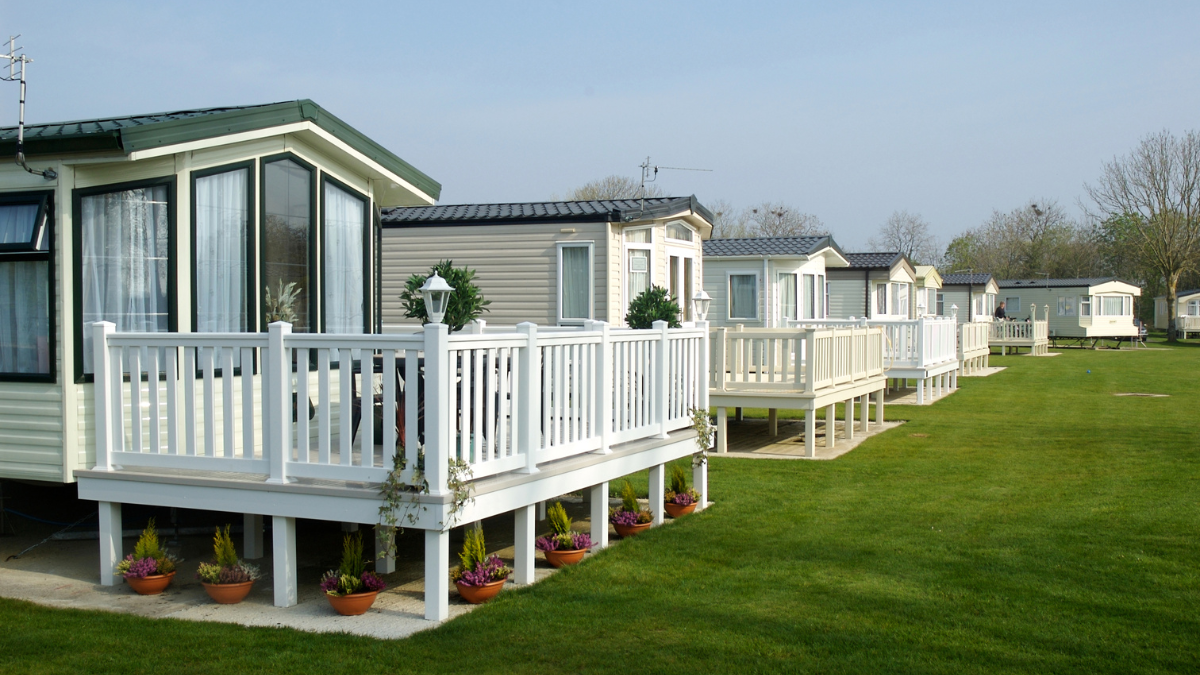
The legal frameworks governing these parks differ significantly.
Residential park homes are protected by The Mobile Homes Act 2013, which provides security of tenure and other rights similar to traditional property ownership.
Holiday homes don't receive these protections. They operate under licence agreements that specifically prohibit permanent residence.
Using a holiday home as your main address breaches these terms and could result in legal action.
Construction Standards for Different Purposes
The build quality between park types reflects their intended use:
Residential park homes must comply with British Standard BS3632, ensuring they're suitable for year-round living with:
- Enhanced insulation for winter comfort
- Higher energy efficiency standards
- Construction quality comparable to traditional homes
Holiday homes typically follow EN1647 standards, with less stringent requirements for thermal efficiency since they're designed for warmer weather and shorter stays.
According to the
National Caravan Council, holiday caravans can be built to either EN1647 or BS3632, but they're always intended "for use as leisure accommodation, not for full-time residential occupation."
Financial Considerations for Buyers and Sellers
The financial structures of these parks differ in ways that affect both purchase and resale:
| Category | Residential Park Homes | Holiday Homes |
|---|---|---|
| Initial Price | Higher initial prices (typically £215,000 - £250,000+) | Often more affordable initial purchase |
| Council Tax | Council Tax liability (usually Band A) | No Council Tax (though site fees apply) |
| Ongoing Costs | Monthly pitch fees for communal maintenance | Potential for rental income when not in use |
| Other | Lower utility costs due to better insultation | Possible seasonal closure periods |
Marketing Your Holiday Home for Maximum Value
When selling your holiday home privately, effective marketing makes all the difference:
- Consider Professional photography: Quality images showing your caravan at its best
- Detailed specifications: Highlight all features, upgrades and included items
- Realistic pricing: Based on market research and comparable sales
- Specialist advertising: Use platforms dedicated to holiday home sales such as Caravan Buyer UK
- Open communication with your park: Keep them informed throughout the process
Many sellers now use specialist online platforms like Caravan Buyer UK that target caravan buyers specifically, rather than general classified sites.
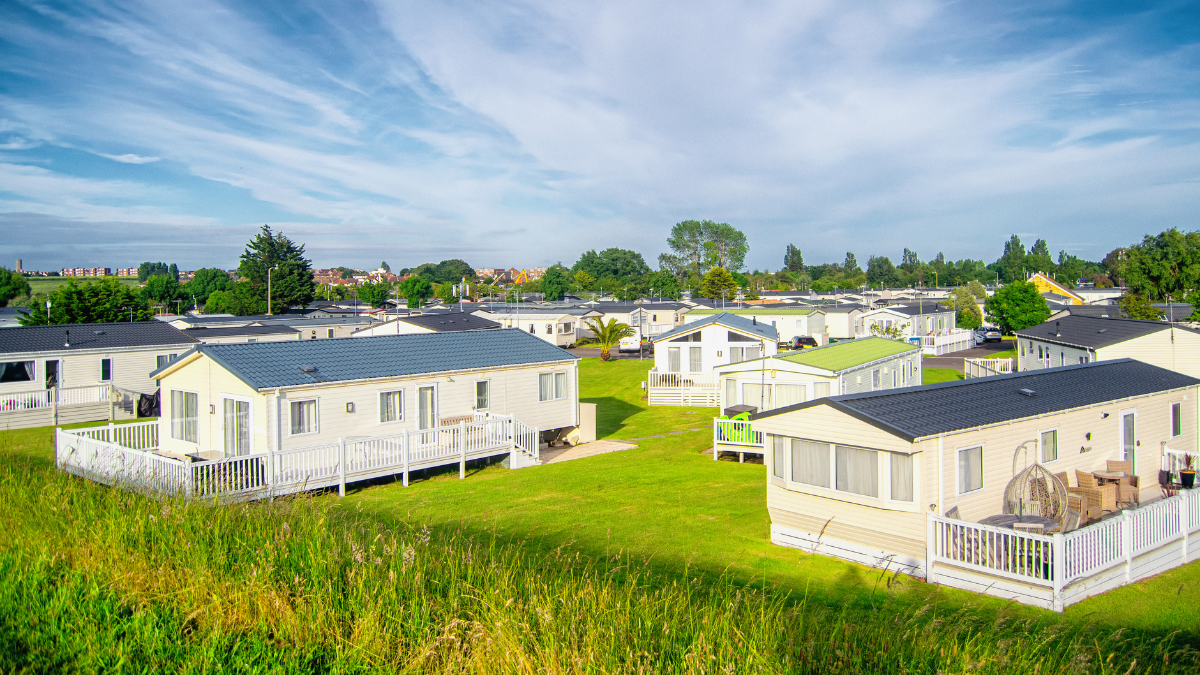
Which Option is Right for You?
Choosing between a holiday park and a residential park depends on your needs:
Consider a residential park if:
- You want a permanent home where you can legally live year-round
- You're aged 45-50+ (most residential parks have age restrictions)
- You prefer a settled community of like-minded neighbours
- You're looking to downsize from a traditional property
Consider a holiday park if:
- You want a holiday property for occasional use
- You'd like the option to generate rental income
- You prefer flexible usage without permanent relocation
- You enjoy the recreational atmosphere of holiday settings
Key Takeaways for Buyers and Sellers
The differences between holiday parks and residential parks are substantial and impact everything from legal rights to resale value.
Understanding these distinctions helps both buyers and sellers make informed decisions about their park home journey.
Whether you're selling your holiday home privately or exploring buying options, specialist knowledge of these differences will help you navigate the market successfully.
Please feel free to get in touch at sales@caravanbuyeruk.co.uk or call one of our friendly team on 01262 410914 if you have any questions/concerns, or just need basic support free of charge if looking at buying or selling privately.