
How Much is My Caravan Worth? (Full Valuation Guide)
How Static Caravan Value Is Calculated
You check three online caravan valuation tools. Get three wildly different figures. One says £18,000. Another reckons £26,000. The third throws out £22,500.
None of them asked about your pitch. None mentioned your park's site fees. And not one wanted to know about the license length left.
Here's why that matters - and what actually determines the value of your caravan when you come to sell.
How Static Caravan Value Is Calculated
Generic valuation tools work backwards from retail prices. They look at what a similar make, model, and age sold for new - then apply depreciation curves borrowed from the motor trade.
What they miss: your static caravan isn't just the physical unit. It's the unit, the pitch it sits on, the park it belongs to, and the terms attached to keeping it there.
After helping hundreds of owners value static caravans and lodges across the UK, here's what actually moves the number:
Brand and Model
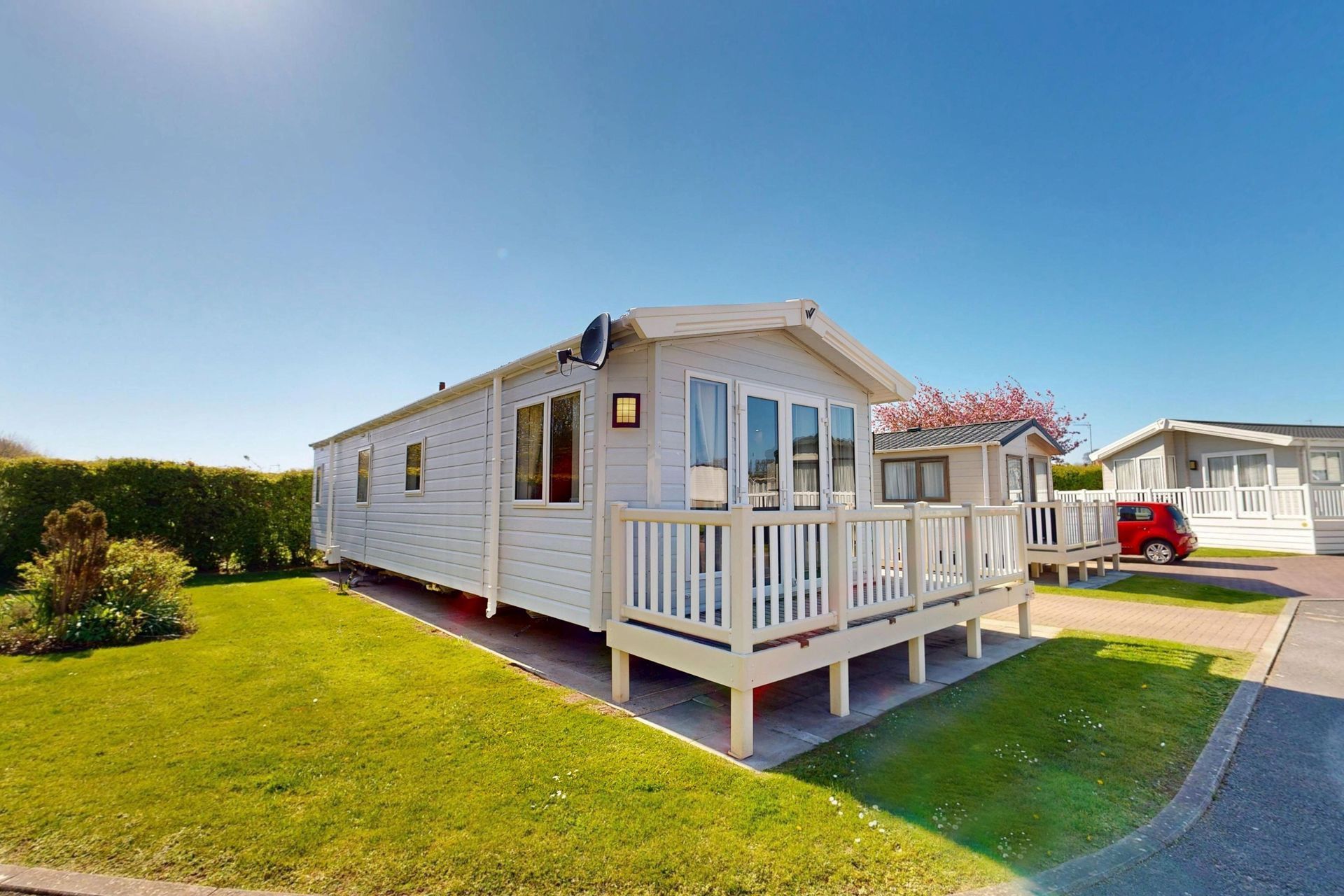
A well-maintained Willerby, Atlas, or ABI holds value differently to budget brands. Luxury lodges, particularly timber-clad residential specification - sit in their own category entirely. But brand alone doesn't tell the story. A premium caravan on a problematic pitch can be worth less than a mid-range model with a sea view and low site fees.
Age
Depreciation hits hardest in the first three years. After that, it flattens - provided condition stays strong. A ten-year-old caravan in excellent condition with upgrades often outperforms a five-year-old neglected one. Age matters. Condition matters more.
Physical Condition
Damp is the killer. Even minor damp drastically impacts value, buyers factor in repair costs and future risk. Beyond damp: does everything work? Are the sofas faded? Is the decking solid or rotting? Has it been redecorated, or does it still have the original colour scheme?
Buyers notice the bathroom sealant, the kitchen grouting, the state of the carpets. Small things add up fast.
Size and Layout
Two-bedrooms or three? How many bathrooms? Open-plan living or separate lounge? Decking, if so how much? Storage sheds?
Larger doesn't always mean more valuable. A well-designed two-bedroom with wraparound decking can beat a cramped three-bedroom with no outdoor space. Layout matters to how buyers imagine using it.
Pitch Location
This is where valuations start diverging wildly between parks.
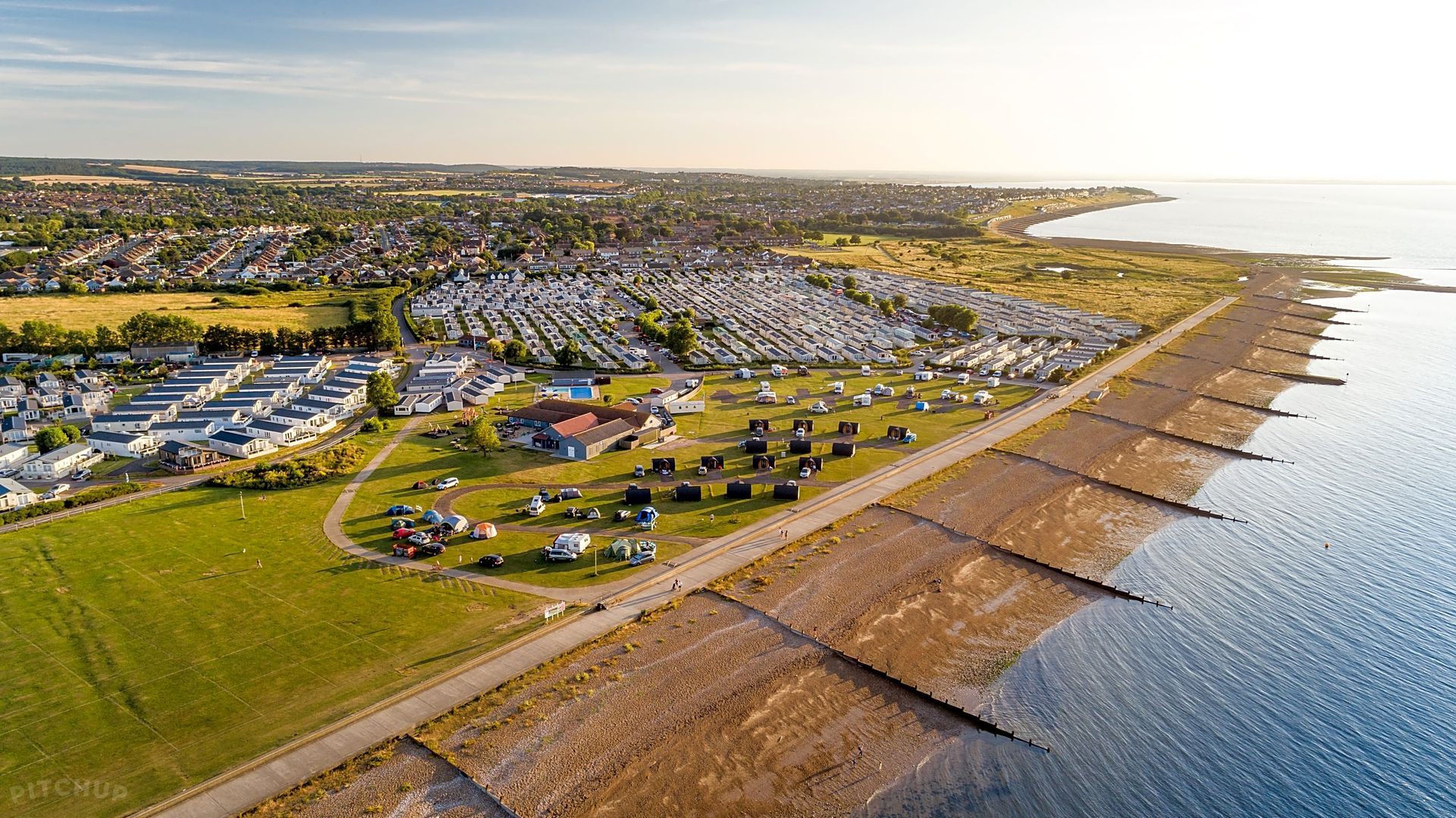
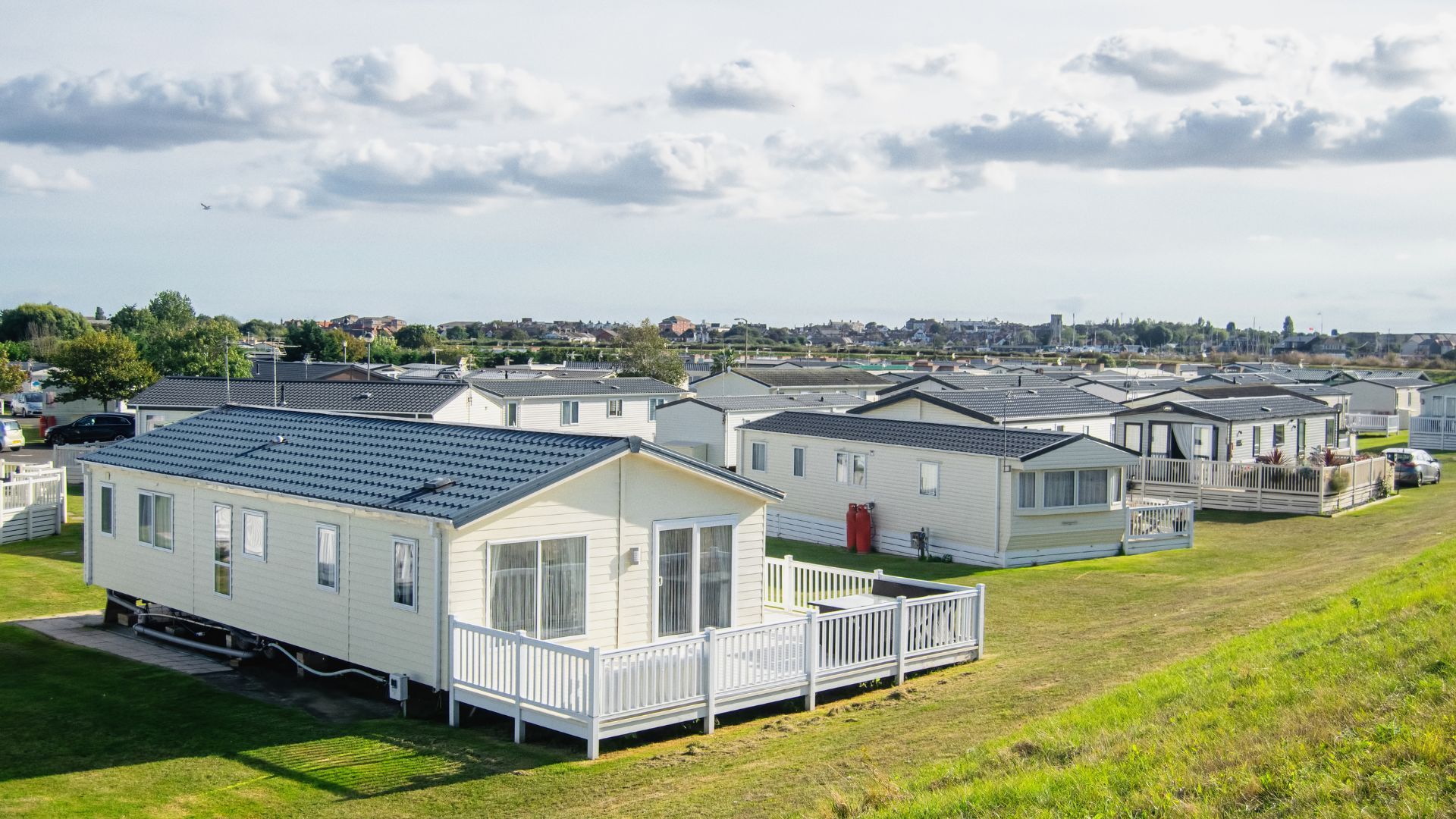
Front-row sea view? Premium. Quiet corner backing onto woodland? Premium. Next to the main road through the park with everyone walking past your window? Less so. Overlooking the bins or directly opposite the laundry block? You'll feel it in the price.
Some parks have distinct "zones", lake pitches, coastal pitches, woodland pitches, and values vary accordingly even for identical caravans.
License Length Remaining
Most parks issue licenses for 10, 15, or occasionally 20 years from new. Once you're down to three or four years left, buyers can get nervous.
Cash buyers want discounts reflecting the risk they'll need to move or replace the unit soon.
If you've got eight years left on a decent pitch, you're in a strong position. Two years left? That's a different conversation entirely.
Park Rules and Site Fees
This is the variable that online tools can't touch, and it's often the biggest.
Two identical caravans. Same age, same condition, same size. One's on a park charging £3,200 annual site fees with an 11-month season. The other's paying £6,800 with restricted letting rules and a 10-month license.
Which is worth more?
The annual running cost directly impacts what buyers can afford. A caravan with low fees attracts more interest, more viewings, faster offers. High fees, particularly if they've jumped recently or the park has a reputation for steep annual increases, narrow your buyer pool significantly.
Then there's subletting policies, pet rules, age restrictions, resale approval processes. Some parks operate a "right of first refusal" where they can match any offer you receive. Most will take a commission on resales. Some restrict how you can advertise.
All of it affects value. None of it shows up in a postcode and model number.
Why Valuations Vary Drastically Between Parks
You'll see owners on forums asking "how much is my caravan worth?" and getting answers ranging from £15,000 to £30,000 for similar units.
It's not that people don't know. It's that the park context completely changes the equation.
Park Reputation
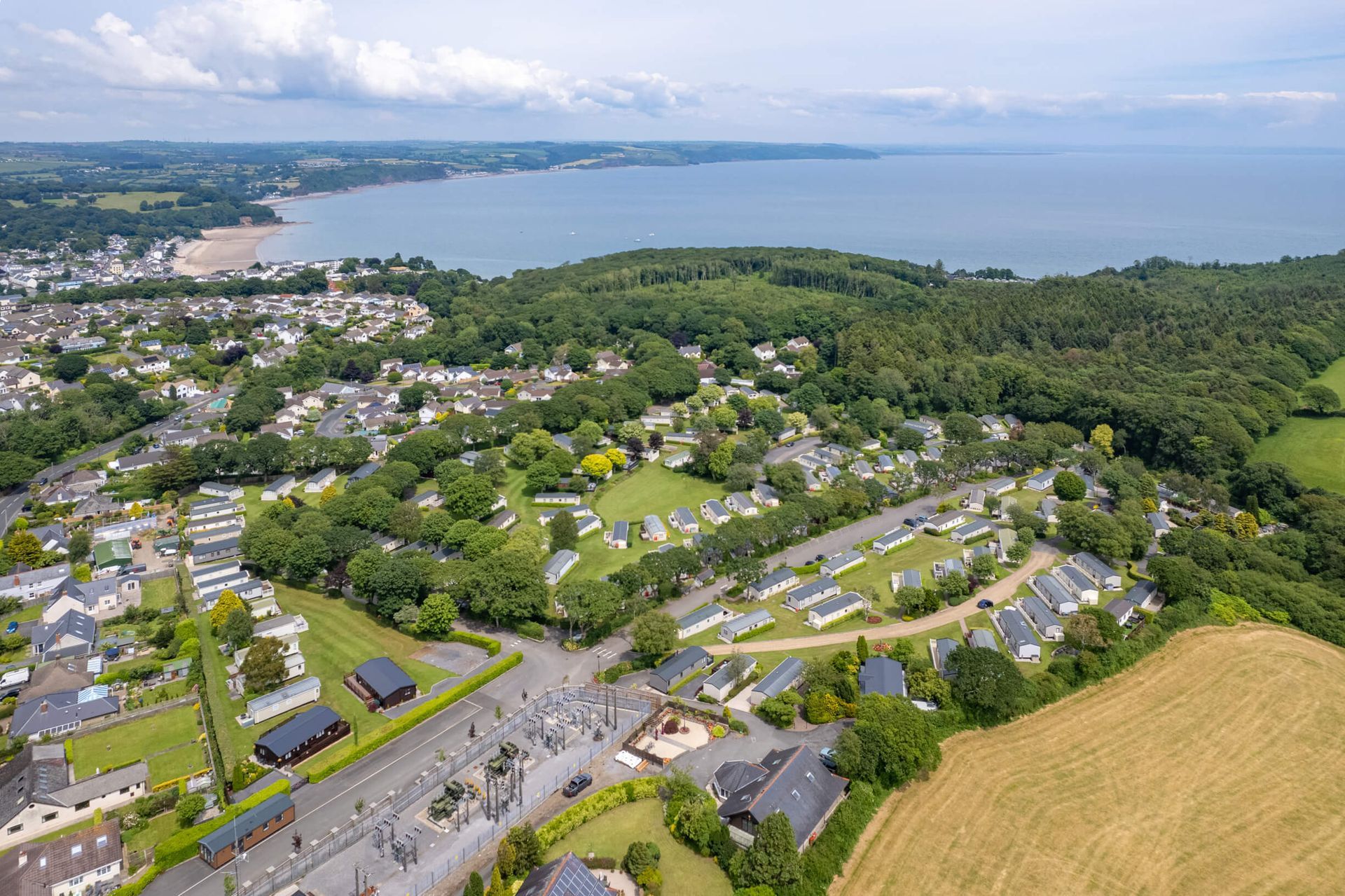
Well-established parks with excellent facilities, low turnover, and strong management hold value better. Buyers pay premiums for parks they trust - places where site fees stay predictable, facilities get maintained, and the community feels stable.
Struggling parks, parks under new ownership with uncertain futures, or parks with reputations for aggressive fee increases? Buyers price in the risk.
Demand vs. Supply
Some parks have waiting lists. Others have twenty caravans for sale and no takers. If your park has five similar caravans listed and they've been sitting there for months, yours isn't selling for top dollar regardless of condition.
Limited supply on a desirable park? You've got leverage.
Park Fees and What They Include
Site fees are one thing. What you get for them is another.
Does the fee include water, gas, electricity? Gym and pool access? Skip hire? Ground maintenance? Or are those all charged separately on top of a headline fee that looks reasonable until you tot up the extras?
Buyers compare total annual costs between parks. A £4,500 fee that includes everything beats a £3,800 fee with another £1,200 in add-ons.
Resale Restrictions
Parks that make selling difficult hurt values across the board. If the park insists on vetting every buyer, delays approvals, or operates a commission structure that swallows a chunk of your sale price, buyers factor that friction into their offers.
You're not just selling the caravan. You're selling the ease of owning it, and eventually selling it on when they're done.
Limitations of Online Valuation Tools
Type "value my caravan" into Google and you'll find plenty of instant calculators promising accurate figures in seconds.
What they actually do: apply depreciation formulas to retail prices based on age and brand. Basically guesswork dressed up as data.
Here's what they don't ask:
- Which park?
- What are the annual site fees?
- How many years left on the license?
- What's the pitch like?
- Has there been any damp?
- What's the actual condition beyond "good/fair/poor"?
- Are you allowed to sublet?
- What are the resale terms?
Without those answers, the number means nothing.
Worse, sellers see an online figure of £25,000, list at £24,000 thinking they're being competitive, then wonder why viewings go quiet after buyers realise the license expires in two years and the site fees just hit £7,000.
Online tools give you a starting point for a caravan in a vacuum. They don't value your specific situation. And in the static caravan market, your specific situation is the valuation.
How the Caravan Buyer UK Valuation Process Works
We don't use formulas borrowed from cars. We look at what's actually selling, and for how much in the current market, on specific parks, under real conditions.
Here's what goes into a proper caravan valuation:
Park Assessment
Site fees, license terms, resale policies, current demand, how many similar units are listed, what they're priced at, how long they've been sitting. Parks have personalities. We know which ones sell fast and which ones don't.
Physical Inspection
Either in person or through detailed photos and honest conversation about condition. Decor matters, appliances, furniture condition, outdoor space, any modifications or upgrades.
We're looking for what makes your caravan appealing and what buyers will use to negotiate down.
Comparable Sales
What have similar caravans actually sold for recently? Not listing prices, sale prices. On your park if possible, or on comparable parks if not.
Real transactions beat optimistic asking prices every time.
Current Market Conditions
Demand shifts seasonally. Spring and early summer see more buyers. Autumn and winter slow down. What sold easily in May might struggle in November, not because the caravan changed, but because the audience did.
We adjust for where we are in the selling cycle.
Realistic Timeline
Are you looking to sell fast, or can you wait for the right buyer? Price competitively and you'll move it quickly. Price optimistically and you might wait months, or never get there.
We'll tell you what achieves both: the price that gets you a fair return and actually attracts serious interest.
The outcome isn't a single figure. It's a range, what you'd get in a quick sale, what you could achieve with time and the right buyer, and what's overpriced given current market conditions.
Then you decide what matters more: speed or maximum return.
Get Your Free, No-Obligation Caravan Valuation
Stop guessing what your static caravan or lodge is actually worth.
We'll give you an honest, realistic valuation based on your specific park, pitch, condition, and current market demand, not a generic number pulled from a depreciation chart.
No pressure. No obligation. Just straight answers from people who've spent years helping owners like you navigate private sales.
Over 35 years of combined experience in the holiday home industry means we know what sells, what doesn't, and what buyers are actually paying right now.
Whether you're thinking about selling soon or just want to know where you stand, we'll walk you through exactly how we'd value your caravan, and why.
Call us on 01262 410914, Whatsapp us on 07415 023850 or visit www.caravanbuyeruk.co.uk to request your free valuation.
We'll ask the questions the online tools don't. And we'll give you a figure you can actually trust.