
The Complete Guide to Buying a Private Sale Caravan
What to Check, Ask and Avoid

Contents
- Why People Buy Caravans Privately
- The Three Things That Go Wrong Most Often
- What to Ask Before You Even Visit
- The Physical Inspection: What to Check When You Visit
- Documentation You Need to See
- Red Flags That Should Stop You Buying
- What About Price?
- The Purchase Process: Doing It Properly
- What We Do Differently
- Final Thoughts
You've found the perfect caravan. The price looks fair, the photos show exactly what you're after, and the seller seems genuine. Then doubt creeps in. What if there's damp you can't see? What if the paperwork isn't right? What if you're about to make an expensive mistake? Are there underlying issues with the park?
After 25 years working with static caravans, I've seen hundreds of private sales go smoothly - and watched a fair few go wrong. The difference usually comes down to knowing what to look for before you hand over the money.
This guide covers everything you need to check, the questions that matter, and the pitfalls that catch people out when buying a privately owned caravan.
Why People Buy Caravans Privately
Private sales offer something dealerships often can't: better value, more choice, and direct contact with the person who's actually lived with the caravan. You're not paying dealer margins, and you can often find well-maintained homes that owners have genuinely cared for.
The trade-off? You need to do your own checks. There's no warranty safety net, no dealer guarantees. Just you, the seller, and the caravan itself.
Worth it, though. Most of the time.
The Three Things That Go Wrong Most Often
1. Damp That Wasn't Disclosed
Damp can be an issue in used static caravans. It starts small - a failed window seal, a crack in the roof - and spreads through walls and floors. Left unchecked, it can mean thousands in repairs or a caravan that's effectively worthless.
Sellers don't always know it's there. Sometimes they do and hope you won't check properly.
2. Paperwork Problems
A caravan with unclear ownership, outstanding finance, or no proper documentation is trouble waiting to happen. You could buy it, move it, and then discover you don't legally own it. Or that the park won't accept it because the paperwork doesn't prove its age or compliance. It is important to note that this is quite rare as most UK holiday parks now will make you go through the paperwork with them to buy the caravan and these kind of issues will be picked up at this stage. Always speak to the park as well as the caravan owner.
3. Site Fees and Restrictions Nobody Mentioned
You've almost bought the caravan. Then you find out the annual site fees are twice what you expected, or the park has a ten-year age rule your caravan fails, or there's a massive removal fee the seller forgot to mention (or didn’t know about)
These aren't always deliberate. Sometimes sellers genuinely don't think to mention them. But that doesn't make them less expensive when they land on you.
What to Ask Before You Even Visit
Start with questions that save you a wasted trip. Some answers should stop you going any further.
Essential Questions:
- What year is the caravan, and do you have the purchase documentation?
You need proof of age. Parks often won't accept caravans over a certain age - usually 10 to 15 years, depending on the site.
- Has it had any damp or water damage?
If they say no, you'll still check. If they say yes, ask what was fixed and whether they have receipts.
- Is there any outstanding finance on it?
If yes, walk away unless they can prove it'll be settled before sale.
- What are the annual site fees, and when are they due?
Get the exact figure. Some parks charge £3,000 a year, others £8,000+. That changes the real cost significantly. Also check that your site fee will be the same as the sellers site fee. A lot of sellers are not aware that if they bought the caravan through the park themselves, they may be getting an annual discount on the site fees, therefore you would not be eligible for that discount. This means your site fees would be more annually.
- Are there any age restrictions or rules on the park about selling or removing the caravan?
Some parks have first refusal clauses. If you are planning on removing the caravan from the park, some will charge removal fees that can run into thousands.
- Why are you selling?
An honest answer tells you a lot. "We don't use it enough" is fine. Vague or defensive answers are a red flag.
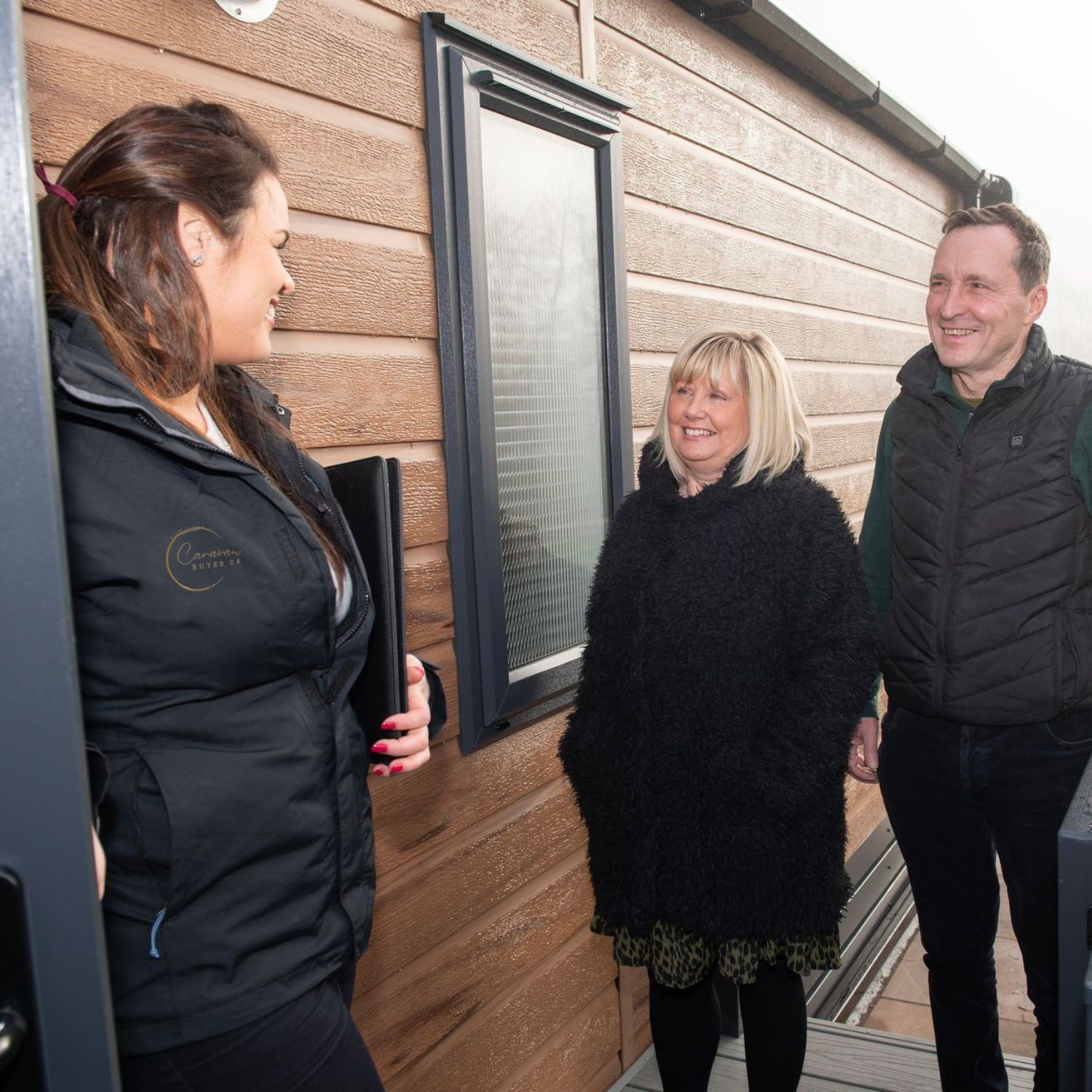
The Physical Inspection: What to Check When You Visit
Exterior Checks
Roof:
Look for cracks, tears, or lifting seams in the roof membrane. Check around vents, aerials, and skylights - these are common leak points.
Windows and Doors:
Check every seal quickly around each window.
Walls and Panels:
Look for rippling, staining, or soft spots. These indicate water damage. Check especially around windows and along the bottom edges where walls meet the chassis.
Chassis and Underbody:
Get underneath if possible. Look for rust on the chassis, some is fine and if the caravan is near the sea is expected (if it isnt a galvanised chasis), however not completely rotten through.
Interior Checks
Floors: Walk every square foot. Any sponginess, bounce, or soft spots mean potential water damage to the floor structure. Check especially around the door, under windows, and in corners.
Walls: Check all wallboards to see any obvious bowing or staining which could mean previous water damage
Ceiling: Look for staining, discolouration, or sagging.
Soft Furnishings: Lift cushions and check underneath for mould or damp staining. Smell for mustiness - your nose knows.
Kitchen and Bathroom: Turn on taps. Check water pressure and drainage. Look under sinks for leaks or water staining. Flush the toilet. Run the shower. Make sure everything actually works, not just looks clean.
Appliances: Test the fridge, cooker, heating, and hot water system. Ask when the gas safety certificate was last done (it should be annual). If there isn't one, factor in the cost of a gas safety check - usually £80-120.
Electrics: Test sockets and lights
Cupboards and Storage: Open everything. Check inside and behind for damp, mould, or pest damage. Yes, mice happen.
Documentation You Need to See
Don't hand over money without these:
Proof of Ownership: Original purchase invoice and/or receipt, you need clear evidence they own it.
Park Agreement (if on a site and staying on site): See their pitch agreement to confirm fees, rules, and any restrictions on sale or removal.
Gas and Electrical Safety Certificates: These should be current (within the last 12 months). If they're not, you'll need to pay for new ones before most parks will accept the caravan.
Instruction Manuals and Appliance Documentation: Helpful but not essential. Although this can help suggest that te owner has looked after it properly.
Questions to Ask During the Viewing
Beyond the initial phone questions, ask these while you're there:
- How often have you used it? Heavy use isn't necessarily bad - it shows things worked.
- Have you had any repairs done? If yes, get details and receipts if possible. If no, after several years of ownership, that's unusual but not unheard of. It never hurts to check.
- What's included in the sale? Is the furniture staying? What about equipment like gas bottles, TV, bedding? Get it clear now. We've helped customers sell caravans who have taken everything including their dining table and chairs and others who have left everything including tv’s in bedrooms.
- When did you last use the heating/hot water/fridge? If they haven't used it recently, insist on testing before you agree anything.
- Will the park accept a transfer, and what's the process? Some parks can make this difficult. Find out before you commit.

Red Flags That Should Stop You Buying
Some things are negotiable. These aren't:
Seller Won't Let You Do a Proper Inspection: If they rush you, won't let you check for damp, or refuse access to certain areas, walk away.
Outstanding Finance: Unless cleared before sale with proof, don't touch it. You could lose both the caravan and your money.
Serious Damp Issues: Widespread damp across multiple areas, means potential structural problems. Repair costs can sometimes exceed the caravan's value.
No Proof of Ownership: If they can't prove they own it, you can't legally buy it. Doesn't matter how good the deal seems.
Park Won't Accept It: If the caravan fails the park's age limit, condition standards, or other rules, you're buying something you can't actually use. Removing and re-connecting costs can run into thousands.
The seller is Evasive or Changes Details: If the story keeps changing - about age, condition, fees, reason for selling - trust your instinct.
What About Price?
Private sale caravans typically cost 20-30% less than dealer prices for comparable models. But only if they're in genuinely good condition.
Factor in these costs when calculating your actual budget:
- Removal and resiting if you are taking the caravan to another site or to private land
- Gas and electrical certificates if needed: £80-200
- Immediate repairs you've identified: Get quotes before committing
- First year's site fees: Often due on arrival (even if the customer has paid them. Site fees generally are not transferable and they would receive a pro rata refund for theirs, you would then be liable for the remainder of the year).
- Any park private sale commission: 10 – 15% of the sales price of the caravan plus VAT @ 20% (of the commission). Not every park charges this but most do and it is not capped.
If the caravan needs significant work, negotiate hard or walk away. A cheap caravan with potentially £3,000 of damp repairs isn't cheap.
The Purchase Process: Doing It Properly
You've checked everything. You want to buy it. Now protect yourself (in the case that you are not completing the sale through the holiday park office, who should take you through this process themselves – they will take payment from you, take their percentage and the site fees and pay the owner what is due to them)
1. Get Everything in Writing
Create a simple purchase agreement that includes:
- Full details of both parties
- Caravan make, model, year, and any serial numbers
- Purchase price
- What's included in the sale
- Confirmation there's no outstanding finance
- Date of transfer
- Both signatures
2. Use a Deposit to Secure It
A deposit (typically 10%) holds the caravan while you arrange payment and logistics. Get a receipt that clearly states it's refundable if agreed conditions aren't met (e.g., park refuses transfer, finance check reveals problems).
3. Pay Safely
Never pay cash. Bank transfer is safest - you have a clear record.
Don't pay the full amount until you've confirmed the park will accept the transfer and all agreed conditions are met.
4. Arrange Park Transfer
Contact the park office before paying the balance. Confirm they'll accept:
- The caravan (age, condition)
- You as a new pitch holder
- The transfer of the existing agreement or issue a new one
Get all fees in writing. Some parks charge transfer fees (private sales commission), admin fees, or require immediate payment of the year's site fees.
5. Get Proof of Transfer
Once you've paid, ensure you receive:
- A receipt showing payment in full
- Signed confirmation the caravan is now yours
- All documentation, keys, and alarm codes
- Written confirmation from the park that the pitch agreement has transferred to your name
What We Do Differently
Twenty five years working with holiday homes means you see the same mistakes over and over. Buyers who skip checks because they're excited. Sellers who genuinely don't know about problems. Parks with rules nobody explained properly to the sellers, therefore incorrect information being passed on to you, the new buyer.
That's why we focus exclusively on privately owned static caravan sales. Not caravans mixed in with motorhomes and touring vans - just static caravans and lodges, where we can give buyers and sellers the specific guidance that makes these transactions work properly.
When someone contacts us about buying privately, we walk them through exactly what to check for their specific situation. What questions to ask about their chosen park. What pitfalls apply to the age and type of caravan they're looking at. We've seen enough sales to know where problems hide and how to spot them before money changes hands.
If you're looking at a private sale and want someone with industry experience to guide you through the process, we offer free, no-obligation consultations. We don't sell caravans ourselves - we help people buy and sell them safely. That's a very different thing. Ultimately our buyers deal directly with our sellers, with us offering advice to both parties if needed.
Final Thoughts
Buying a privately owned caravan can save you thousands and get you exactly the holiday home you want. But it requires proper checks, the right questions, and a clear head when something doesn't feel right.
Most sellers are honest people who've simply outgrown their caravan or can't use it enough to justify the fees. The checks above protect you from the minority who aren't, and from the genuine mistakes that cost just as much as deliberate deception.
Take your time. Get everything in writing. And if you need help working through the process, that's exactly what we're here for.
Ready to start your search or need guidance on a caravan you're considering?
Call us on 01262 410914 or email sales@caravanbuyeruk.co.uk. We've helped hundreds of buyers find the right holiday home and avoid the expensive mistakes. No obligation, no pressure - just straightforward advice from people who've been doing this longer than most.