

Caravan Price Guide UK 2026
Real Prices for Static Caravans
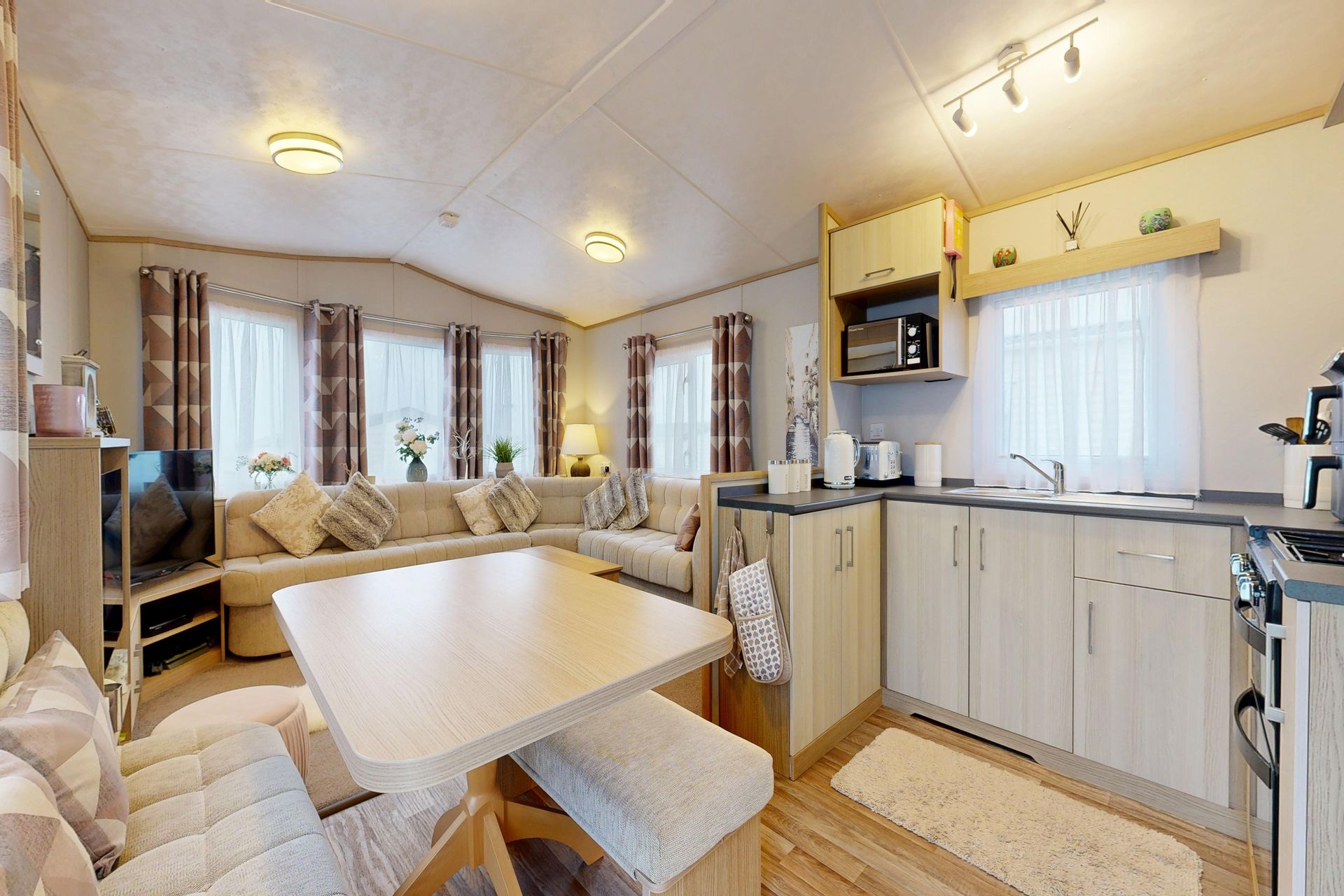
Listed your static for £28,000 because that's what you paid three years ago. Now it's been sat on the market for months. No enquiries, no viewings, no offers. Something's shifted, and nobody's mentioned it until the silence becomes obvious.
The static caravan market in 2026 looks nothing like it did in 2022. What sold in a weekend back then now can take months. What felt like a fair price based on what you paid rarely matches what buyers are actually offering. And if you're trying to work out what yours is genuinely worth right now, you'll find more guesswork than clarity.
Here's what static caravans are actually selling for in 2026, what's affecting those prices, and how to work out where yours sits.
Typical Static Caravan Prices by Age and Condition
Price depends on more than just age - but age gives you a starting point.
Important: The following prices reflect premier static caravans sold on pitch. They are not indicative of what a trade sale would achieve. Trade prices are typically lower, as the trade industry will factor in reconditioning costs, transport, and resale margins.
These figures represent a snapshot based on one example caravan in each category. Your specific caravan may achieve more or less depending on brand, condition, location, park facilities, and current market demand. Every sale is unique.
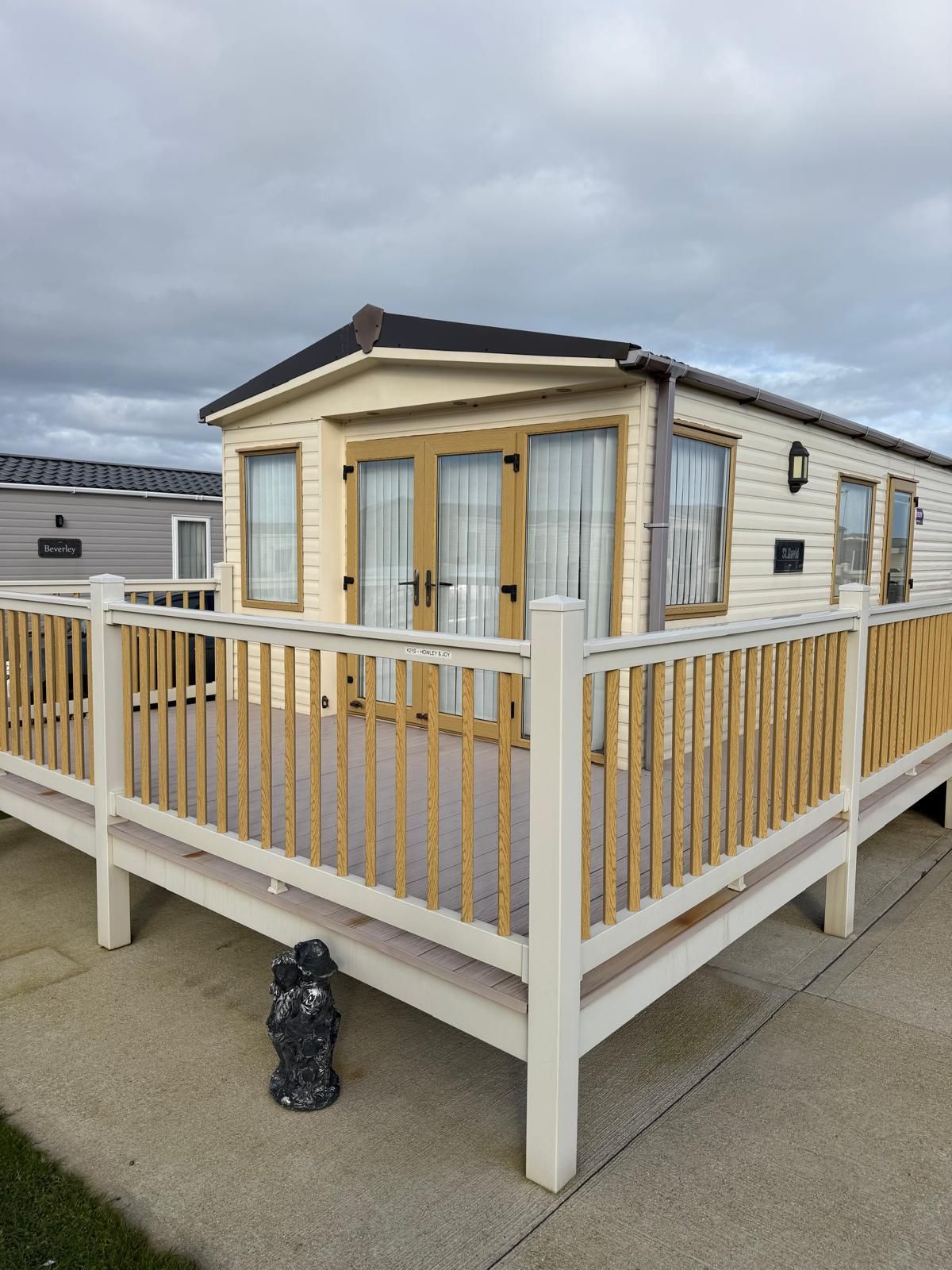
0-3 years old
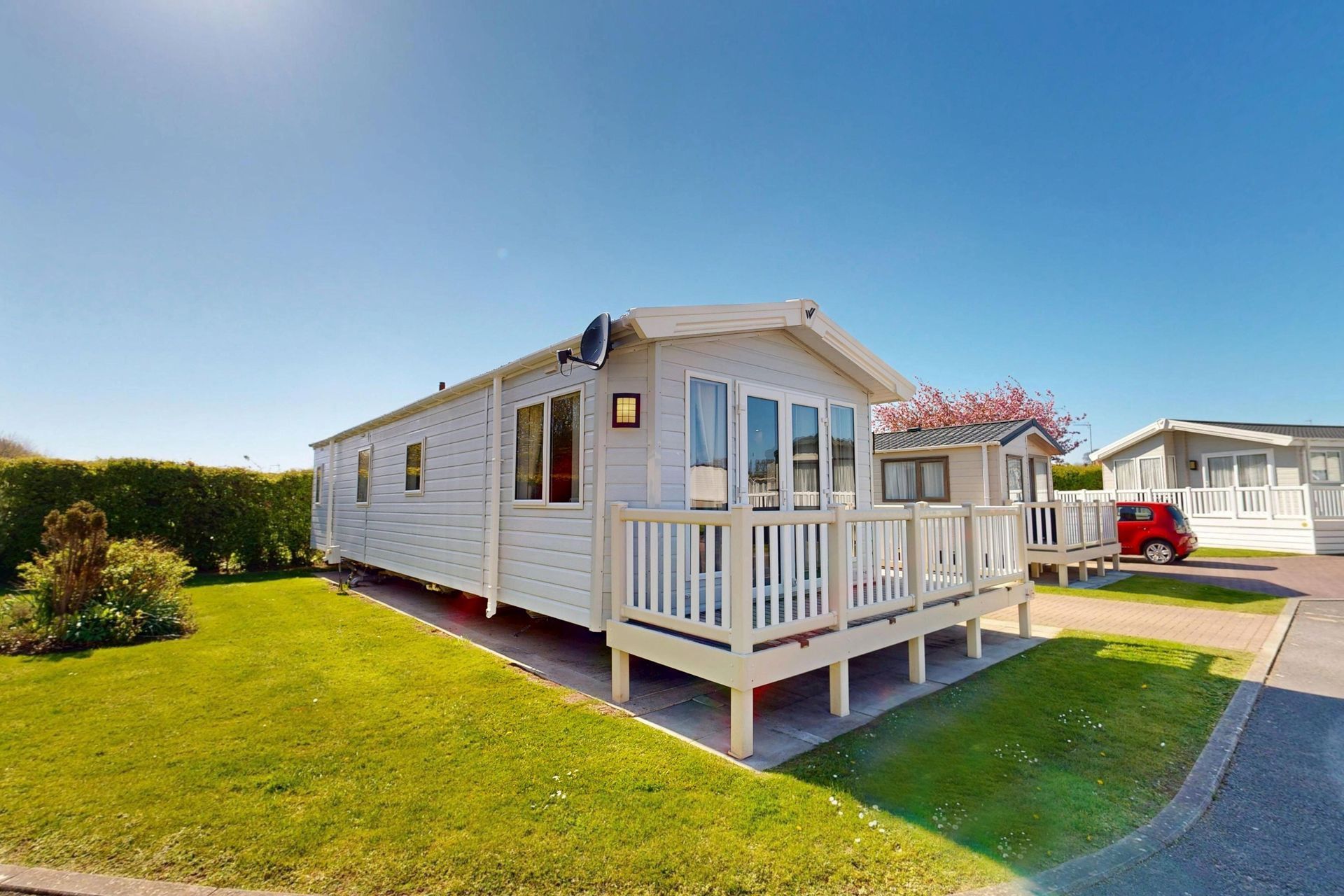
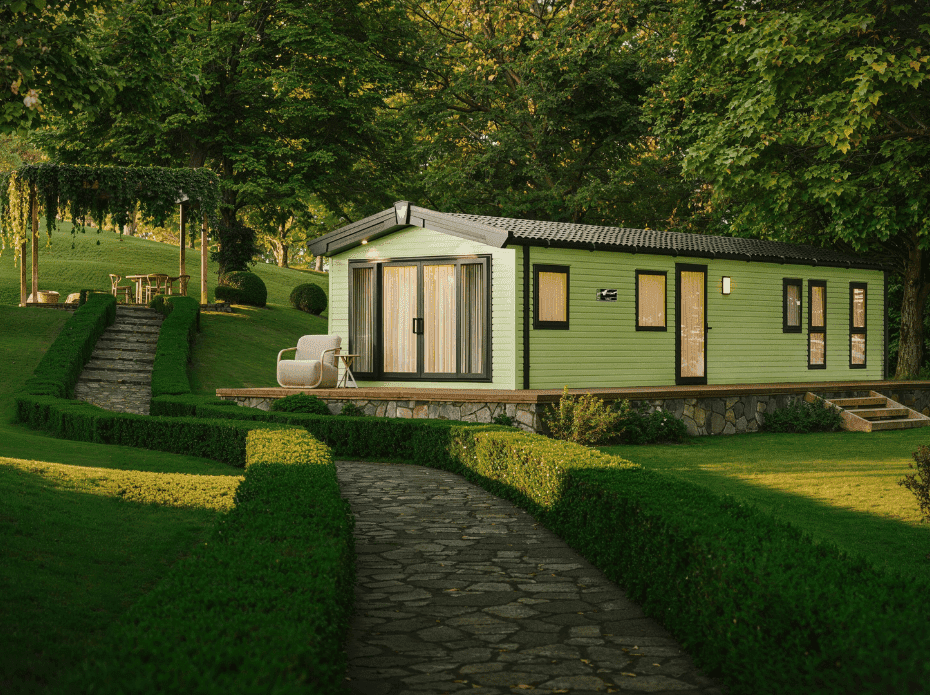
Recent premier models in excellent condition: £35,000 to £55,000. Top brands hold value better than budget manufacturers. A two-bedroom Willerby with decking and premium pitch? Upper end. A smaller single-manufacturer home on a standard plot? Lower range.
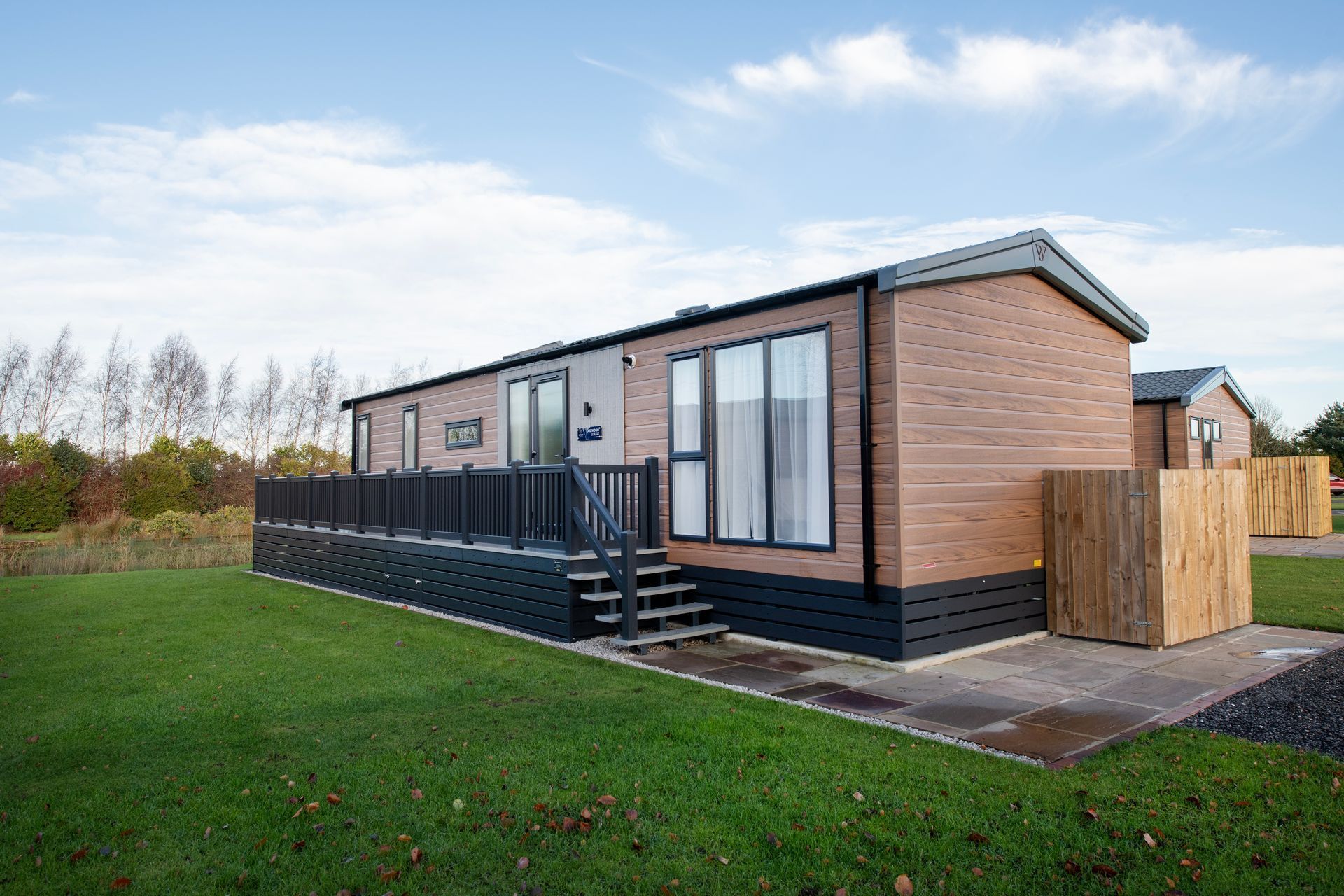
4-7 years old
This is where depreciation starts showing: £22,000 to £38,000. Condition matters more here than brand. Well-maintained interior, no damp, well-kept soft furnishings - you'll land closer to £30,000+. Visible wear, tired décor, or any maintenance flags? Expect lower offers.
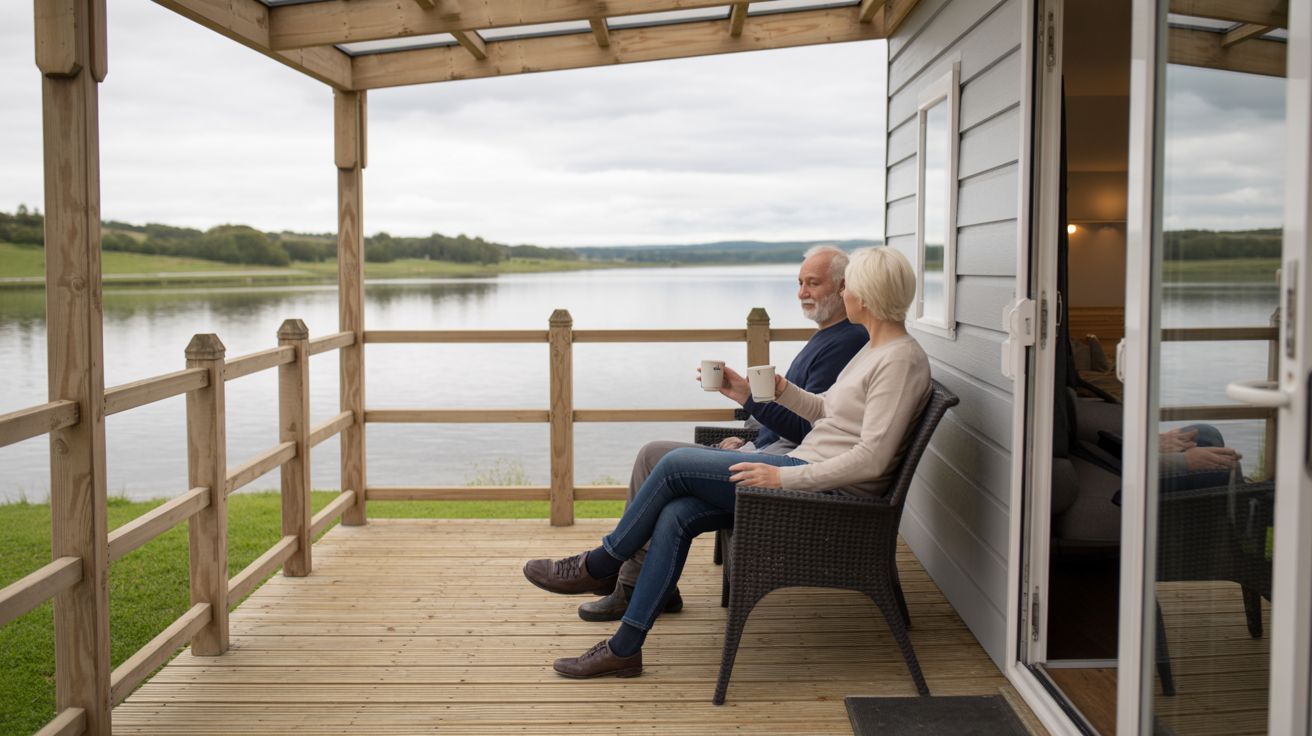
8-12 years old
Most fall between £15,000 and £25,000, but park rules start becoming the bigger factor. Some parks won't accept caravans over 10 years old. Others allow them but with restrictions. If your caravan is approaching its age limit for the park it is on, that narrows your buyer pool significantly as it may need to be removed from park, this can be reviewed on a year by year basis by the park and can be off putting for buyers.
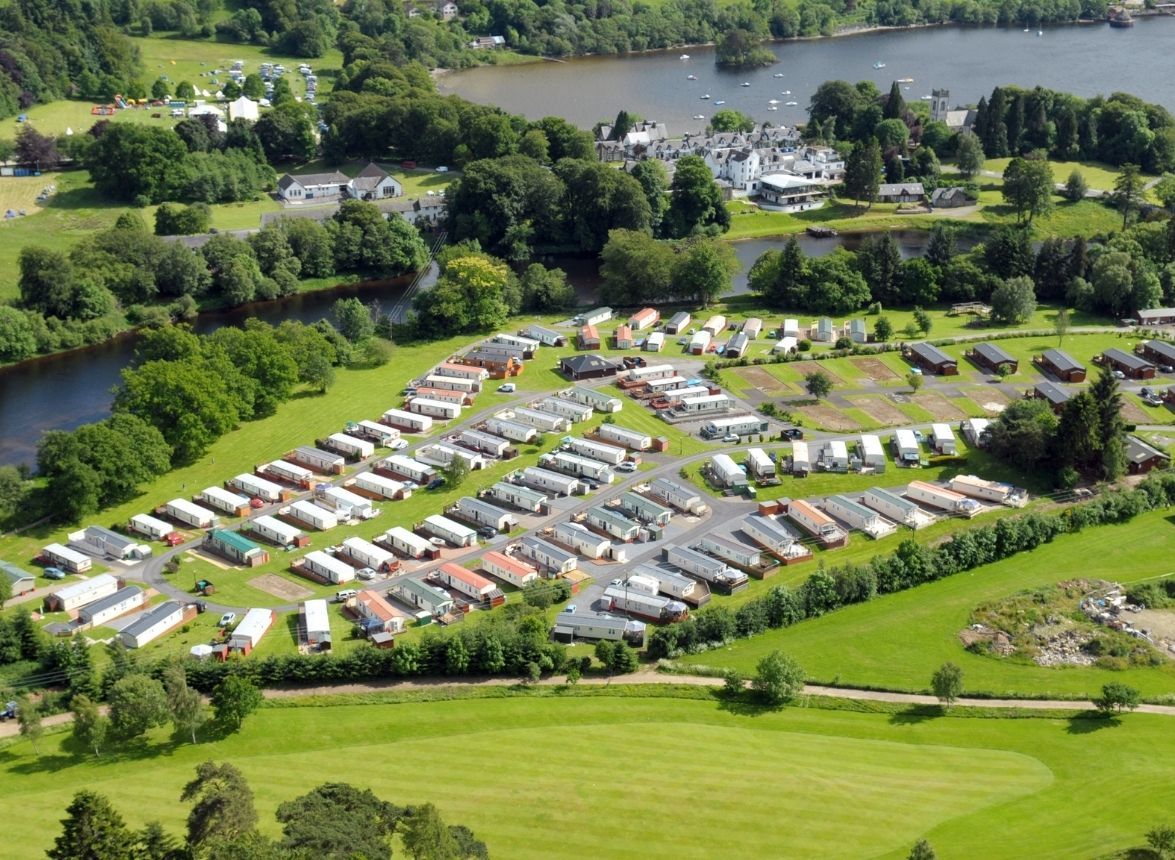
Over 12 years old
£8,000 to £15,000 - and finding a buyer becomes harder. Not because the caravan's unusable, but because fewer parks again will allow it to be on site. This can mean selling your caravan can become a more lengthy process as the potential buyer pool becomes much narrower.
Depreciation on static caravans isn't like cars. It's faster in the first five years, then levels off - until the age restriction cliff edge, where can drop sharply again.
What Actually Affects Caravan Value (Beyond Age)?
Park Location and Reputation
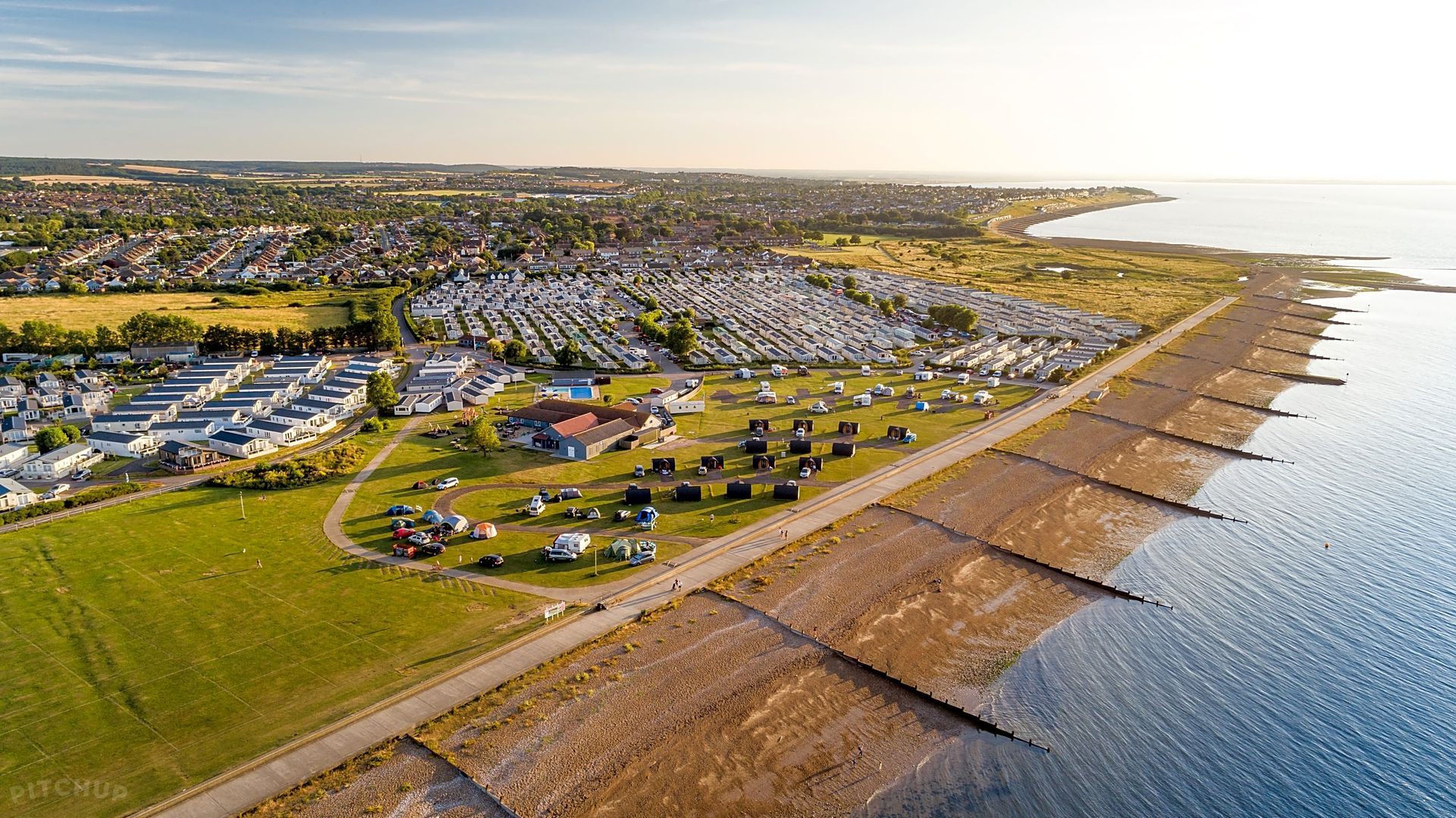
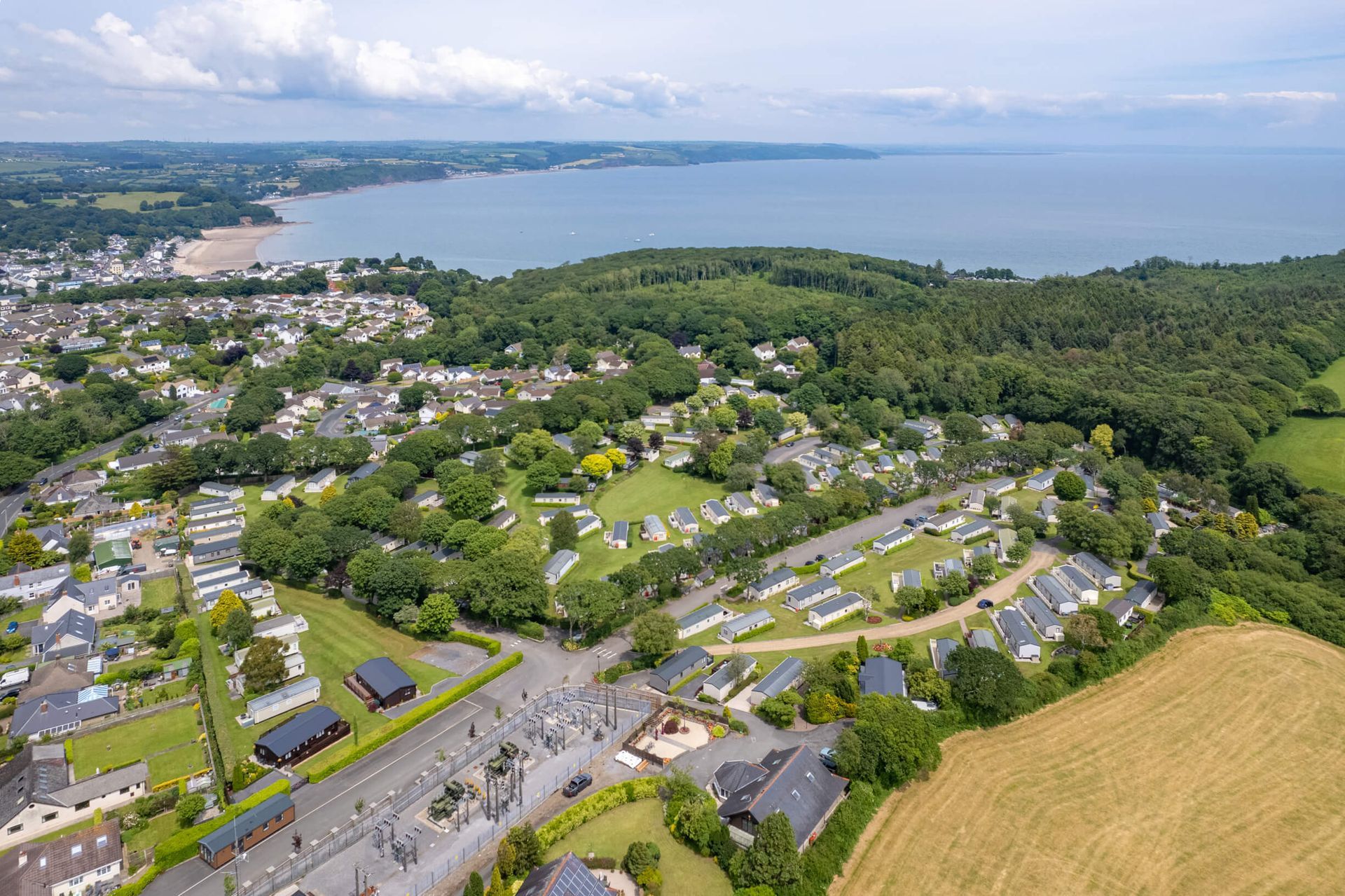
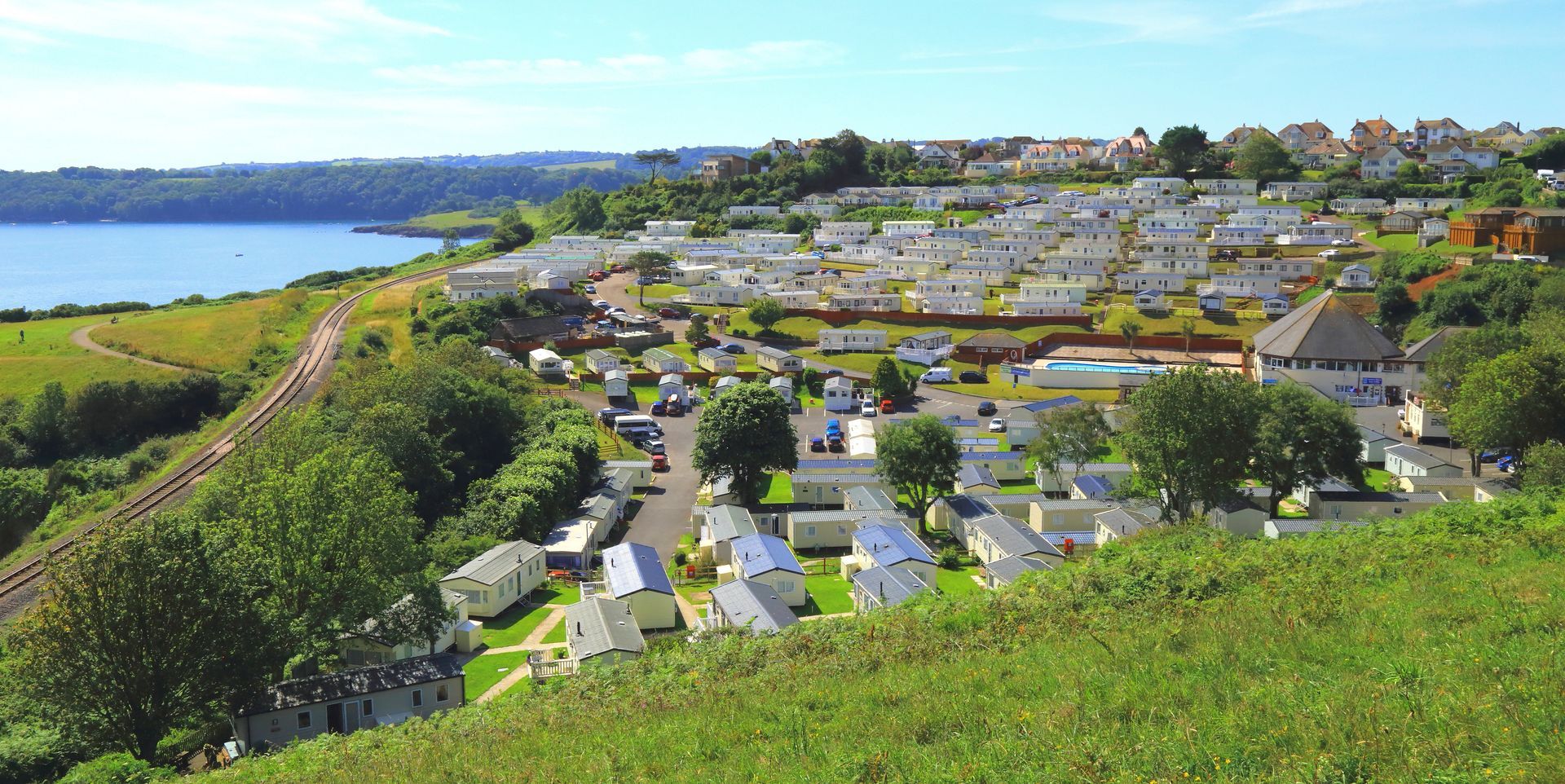
A static on a well-maintained, family-friendly park near the coast will always command more than one on a tired park inland. Facilities matter. On-site entertainment, swimming pools, touring pitch access, coastal views - buyers pay for that.
A caravan on a park with poor reviews or limited amenities? You're fighting uphill.
Pitch Fees and Remaining Licence Length
This is where sellers often get caught out.
High annual pitch fees reduce what buyers will pay. If your park charges £4,500 a year and a comparable park down the road charges £3,200, that £1,300 annual difference gets factored into offers. Buyers calculate running costs before they calculate purchase price.
Licence length works the same way.
If you've got nine years left on your licence and the buyer has to renegotiate or move the caravan after that, they're pricing that uncertainty in. Less than five years remaining? Expect lower offers - or requests for you to negotiate an extension before completing.
Bedrooms, Size, and Layout
Two-bedroom statics outsell single-bedrooms. Three-bedroom models attract families but command higher pitch fees, which can narrow your buyer pool.
Open-plan living areas tend to sell faster than older segmented layouts. Buyers in 2026 want space that feels larger than it is. If your layout's dated or cramped, that shows in offers.
Condition and Maintenance History
Damp is the killer. Any evidence of water ingress, even if repaired, makes buyers nervous. Most will walk away or drop their offer significantly.
Aside from damp: worn or stained soft furnishings, outdated kitchens, tired bathrooms, scuffed walls - these all reduce value. You're not expected to have a showroom-condition interior, but visible neglect costs you.
Service history helps. If you've kept up with annual gas safety checks, maintained the exterior, and dealt with small issues before they became big ones, that reassures buyers. No documentation? They assume the worst.
2026 Market Trends You Need to Know
After nearly three decades in the holiday home industry, you start noticing when buyer behaviour changes. Three things are affecting prices right now.
First, demand's dropped since the pandemic boom. Between 2020 and 2022, static caravans sold fast - often over asking price. That's gone. Buyers have more choice now, and they're taking longer to decide. What used to sell in days now sits for weeks or months.
Second, rising park fees are making buyers cautious. Pitch fees have climbed steadily since 2023. Some parks are adding new charges - wifi, parking permits, waste collection. Buyers are doing the maths before committing, and higher running costs mean lower purchase offers.
Third, age-limit rules are tightening. More parks are enforcing 10 or 12-year age limits, even for existing owners. If your caravan's approaching that threshold, it limits who can buy it - and how much they'll pay.
None of this means you can't sell. It means you need to price realistically for the market as it is now, not as it was three years ago.
Why Prices Differ Between Parks and Regions
A static caravan isn't just the physical structure. It's the pitch, the park, the location, the community. That's why the same model can be worth £32,000 on one park and £24,000 on another.
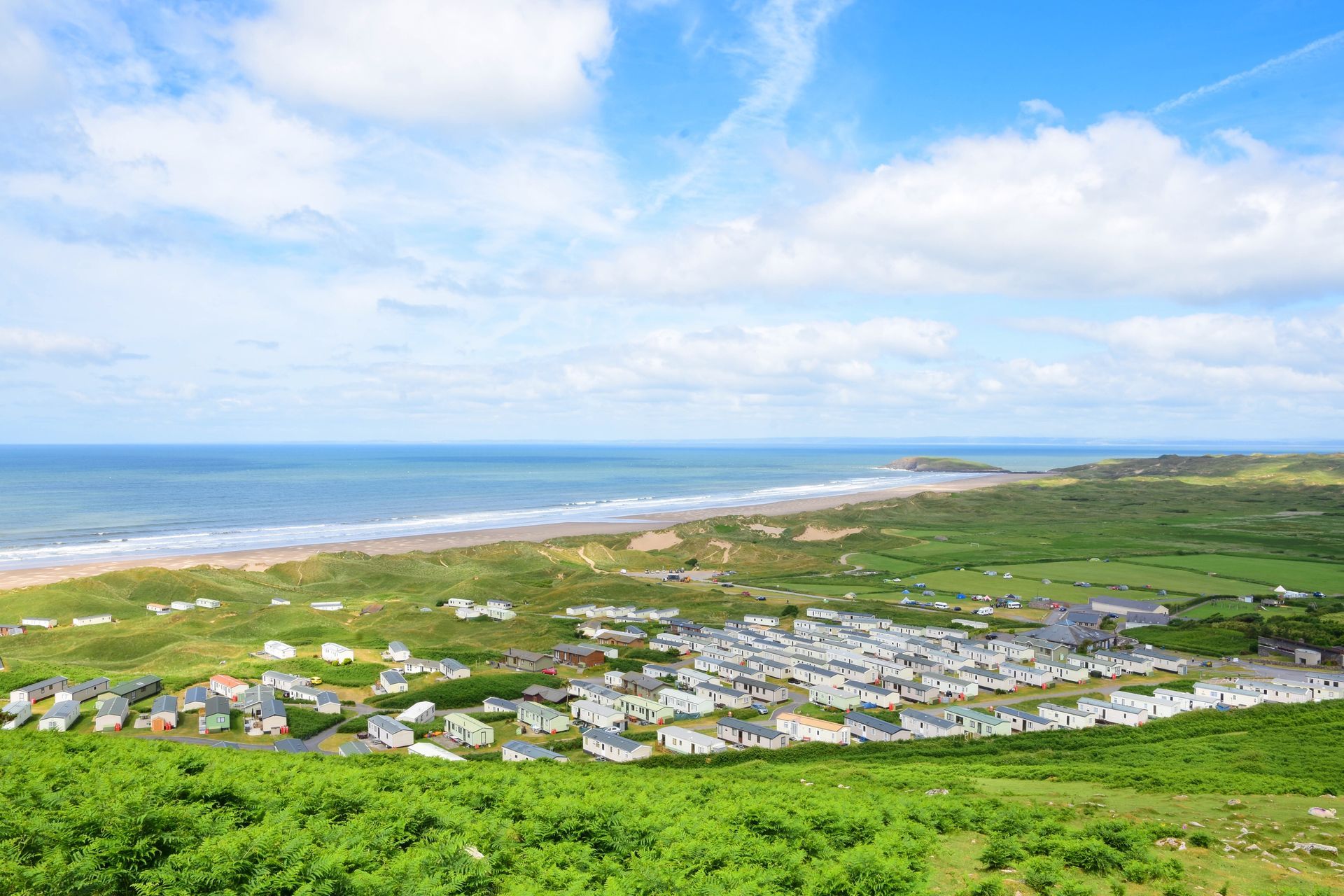
Coastal parks near popular tourist areas - North Wales, Yorkshire Coast, Devon, Cornwall - typically see higher prices. Demand's stronger. Licence fees and pitch fees are higher too, but buyers expect that.
Inland parks, particularly those without major attractions nearby, see lower prices. That doesn't mean they're bad investments - running costs are often lower, and they can still provide excellent holiday bases. But resale value reflects demand, and coastal parks generally have more of it.
Regional economy matters too. Parks near affluent areas or major cities tend to attract more buyers and hold value better. Remote parks in economically struggling regions see slower sales and lower offers.
How Static Caravan Depreciation Actually Works
Unlike property, static caravans depreciate. The structure itself has a lifespan - typically 20 to 25 years depending on build quality and maintenance.
Here's the rough pattern:
Years 1-3: Lose around 20-25% of original value. Steepest drop happens the moment it's no longer "new".
Years 4-7: Depreciation slows to around 8-12% per year. Well-maintained models hold value better here.
Years 8-12: Depreciation continues at 5-8% annually, but age restrictions start affecting saleability more than condition.
Years 12+: Value drops sharply not because the caravan's unusable, but because of potential restrictions. Some continue using them for another decade, but resale becomes difficult.
This isn't like buying property. You won't make money when you sell. But if you've had years of holidays and family time, depreciation's just part of the running cost - same as pitch fees or maintenance.
Working Out What Your Caravan's Actually Worth
By now you've got a rough idea where yours might sit. But "rough idea" doesn't help when you're pricing it for sale or deciding whether to accept an offer.
If you're serious about selling, three things will give you an accurate picture:
Check what similar caravans on your park - or comparable parks - have actually sold for recently. Not asking prices. Sold prices. Ask park management or look at completed sales if you can access them.
Factor in your specific situation. Licence length, pitch fees, condition, age restrictions. All of these shift value up or down from the baseline.
Get a proper valuation from someone who knows the current market. Not what your caravan cost new. Not what a park salesperson might suggest when trying to sell you a replacement. What it's genuinely worth to a buyer right now.
If you're trying to work that out on your own, you're guessing. And in a market that's shifted as much as this one has since 2022, guessing costs you time, missed opportunities, or money left on the table.
We offer free, no-obligation valuations for privately owned static caravans. You tell us about your caravan, park, and situation. We give you an honest assessment based on what's actually selling in 2026 - not what sold three years ago.
No pressure. No sales pitch for a replacement. Just a clear answer to the question you're trying to figure out: what's it worth right now?