The Ultimate Guide to Finding Your Perfect Holiday Park
Your holiday home should be your happy place. A retreat where memories are made and stress melts away.
But with over 6,000 holiday parks across the UK housing more than 365,000 static caravans, how do you choose the right one?
This decision is more important than most people realise. The right park enhances your ownership experience, while the wrong one can lead to years of frustration and regret.
Let's explore the essential factors you need to consider when choosing the perfect holiday park for your static caravan.
Distance from Home: The Overlooked Deal-Breaker
Think about this first: how far are you willing to travel to your holiday home?
Most caravan owners invest in parks within 1-3 hours of their main residence. There's a good reason for this.
The closer your holiday home is to your permanent address, the more likely you'll use it regularly. Weekend getaways become effortless rather than exhausting journeys. Spontaneous trips become possible when you don't need to block out an entire day just for travel.
If you're dreaming of a coastal retreat that's five hours away, ask yourself honestly: how often will you actually make that journey? For many owners, distance becomes the invisible barrier that prevents them from enjoying their investment.
As one experienced owner told us: "We initially wanted a place in Cornwall, but settled for something closer to home in the Cotswolds. Best decision we ever made—we use it three times as often as we would have otherwise."
Location Type: Coastal, Countryside or Somewhere In-Between?
The setting of your holiday park dramatically shapes your experience.
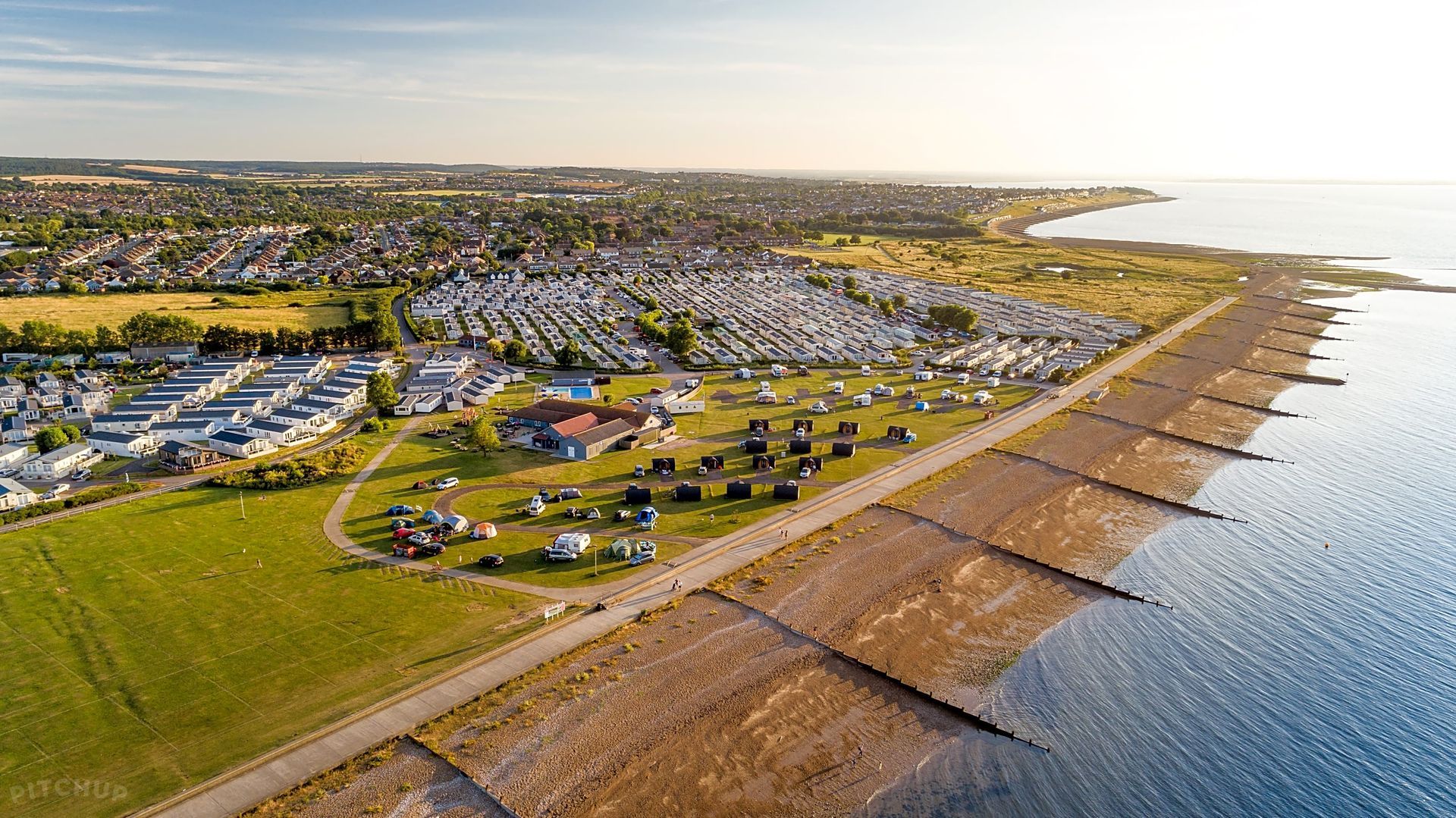
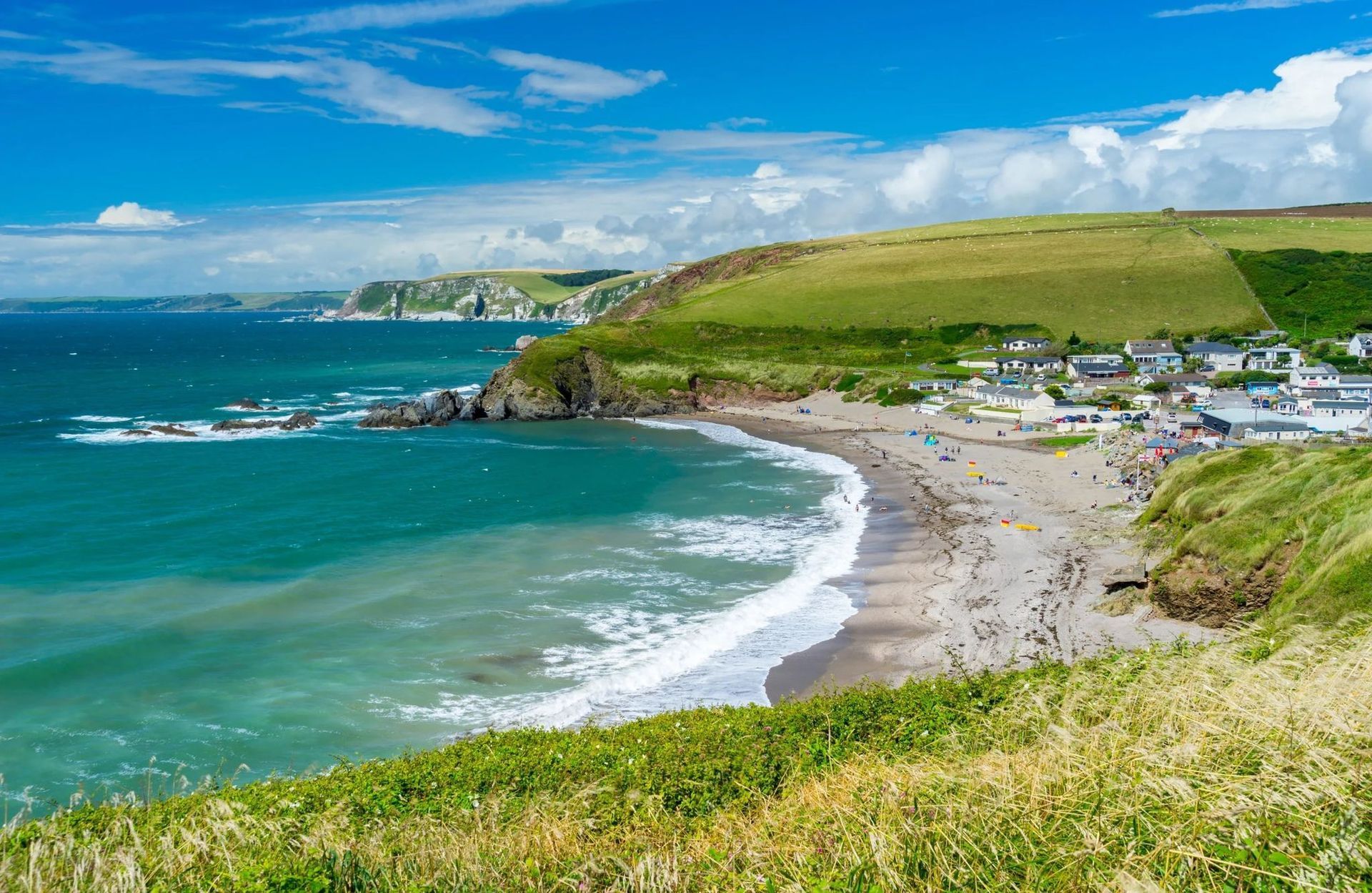
Coastal parks offer the allure of sea views, beach walks, and that distinctive holiday atmosphere. There's something magical about waking up to the sound of waves and enjoying sunset strolls along the shore.
Rural parks provide tranquillity, countryside walks, and often more space. They're perfect for those seeking peace, stargazing opportunities, and a genuine escape from urban life.
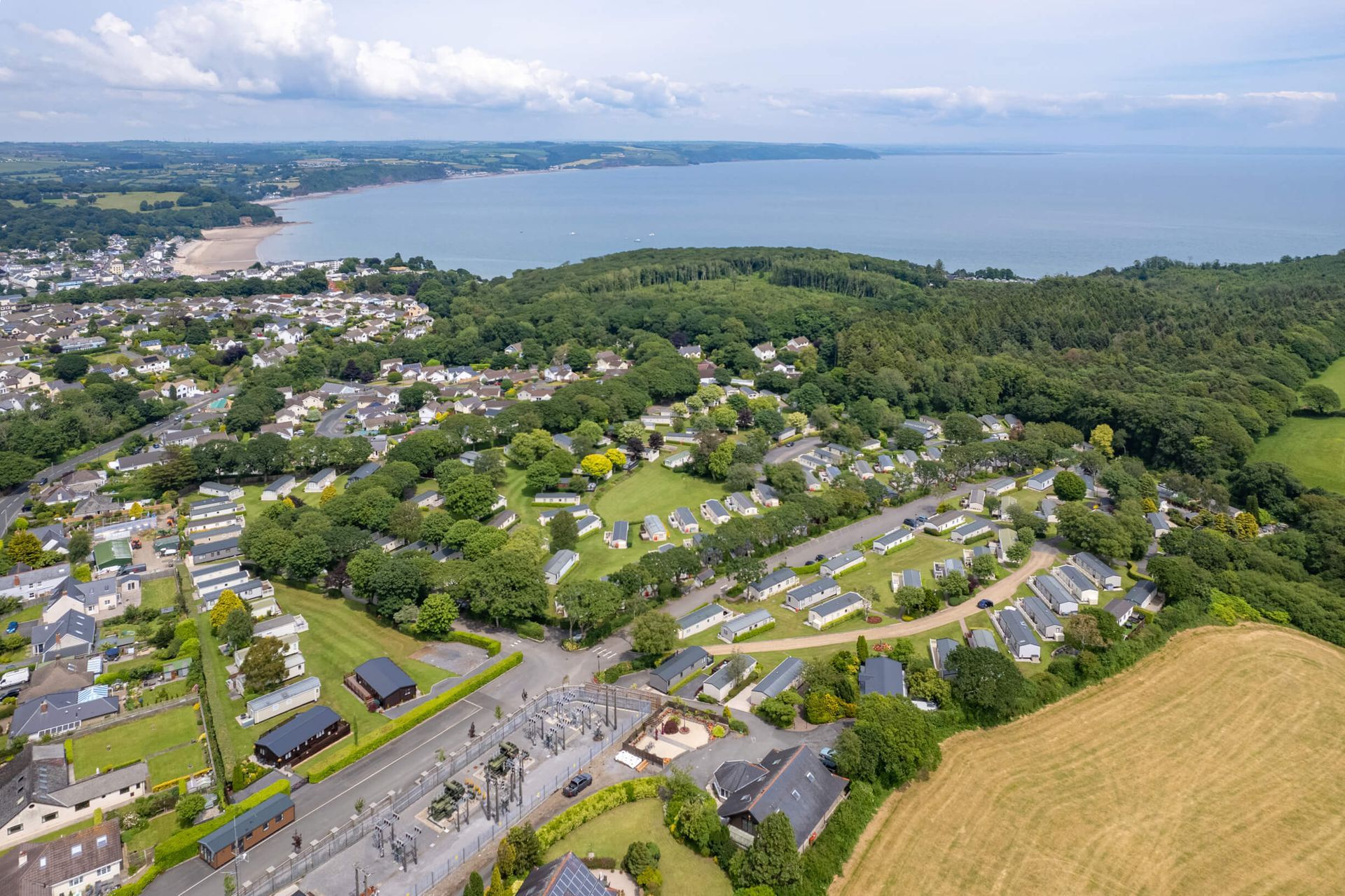
Some parks offer the best of both worlds—countryside settings within a short drive to the coast. These can be ideal compromise locations, especially if family members have different preferences.
Consider what activities you enjoy most. If hiking, fishing, and wildlife watching top your list, a rural park might be perfect. If building sandcastles, swimming, and seaside attractions are more your style, coastal is the way to go.
Park Size and Atmosphere: Busy or Peaceful?
Holiday parks come in all shapes and sizes, from intimate communities with just a handful of caravans to sprawling resorts with hundreds.
Larger parks typically offer more facilities—swimming pools, entertainment venues, restaurants, and organised activities. They're ideal for families with children who need constant entertainment or those who enjoy a lively social scene.
As one park manager explains: "Our larger parks with extensive facilities tend to attract families who want everything on their doorstep. The indoor pool complex is particularly valuable given the UK's unpredictable weather!"
Smaller parks offer a more peaceful, community-focused experience. They often have a stronger sense of camaraderie among owners and a more relaxed pace. While they may have fewer amenities, they typically compensate with charm, character, and a more personal touch.
Your personality should guide this choice. Are you someone who thrives in bustling environments with plenty to do? Or do you prefer quiet retreats where you can truly unwind?
On-Site Facilities: What Do You Really Need?
Facilities vary enormously between parks, from the bare essentials to resort-style luxury.
Before being dazzled by impressive amenity lists, consider what you'll actually use. That Olympic-sized swimming pool might sound fantastic, but if you rarely swim, it's just increasing your annual fees without adding value to your experience.
Essential facilities to consider include:
• Shop for basics and emergencies • Laundry facilities • Children's play areas (if relevant) • Bar or restaurant • Entertainment venues • Swimming pools (indoor/outdoor) • Sports facilities • WiFi connectivity
Remember that more facilities generally mean higher annual fees. Be honest about your lifestyle and priorities.
Many owners report that good on-site facilities mean they can relax and stay on the park for longer periods rather than having to leave for entertainment or essentials. This can be particularly valuable during peak season when local attractions are crowded.
Local Attractions and Amenities: Beyond the Park Gates
Your holiday experience extends beyond the park boundaries. Research what's available in the surrounding area:
• Distance to nearest town/village • Local shops and supermarkets • Restaurants and pubs • Beaches and swimming spots • Walking and cycling routes • Historical sites and attractions • Family entertainment options • Medical facilities • Public transport links
A seemingly perfect park can become frustrating if you need to drive 30 minutes for basic groceries or if there's nothing interesting to do nearby on rainy days.
Visit the area at different times if possible. Some locations transform dramatically between peak season and off-season, with many businesses closing during quieter months.
Seasonal Opening Times: When Can You Visit?
Most UK holiday parks close for 1-4 months during winter for maintenance. If you're dreaming of Christmas or New Year breaks in your caravan, check the park's opening dates carefully.
Some parks operate year-round, offering maximum flexibility for owners. These 12-month parks are becoming increasingly popular, allowing you to enjoy your investment throughout all seasons.
If you opt for a park with extended opening, ensure your caravan is suitable for winter use with proper insulation, double glazing, and central heating. Winter in a poorly insulated caravan can be an uncomfortable experience!
Community and Social Aspects: Your Future Neighbours
The social environment of a park significantly impacts your enjoyment. Some parks have a strong community feel with regular social events, while others are more private with minimal interaction between owners.
When visiting potential parks, try to speak with current owners. They'll provide insights that brochures and sales teams won't. Ask about:
• The general atmosphere • Any regular social events • The mix of owners (families, retirees, etc.) • How well the park is managed • Any issues or concerns
A park with a friendly, welcoming community can transform your ownership experience, providing ready-made friends and support network.
Pet-Friendly Policies: Bringing Your Four-Legged Family
If you have pets, this could be a deal-breaker. Not all parks welcome animals, and those that do may have restrictions on numbers, breeds, or where pets can go within the park.
According to recent statistics, 41% of UK households own pets, with 23% owning dogs and 16% owning cats. Fortunately, there are hundreds of pet-friendly parks across the country.
Check the specific policies before committing. Some questions to ask:
• Are pets allowed in the caravans? • Are there restrictions on walking pets around the park? • Are there designated exercise areas? • Are there additional fees for bringing pets? • Are there limits on the number or size of pets?
For many families, holidays without their beloved pets are unthinkable, so this consideration shouldn't be overlooked.
Pitch Location and Quality: Your Specific Spot
Not all pitches within a park are created equal. The location of your caravan within the park can significantly impact your experience.
Consider:
• Privacy levels (are you overlooked by other caravans?) • Proximity to facilities (convenient but potentially noisier) • Views (sea, countryside, or car park?) • Sun exposure (important for outdoor relaxation) • Accessibility (how far will you need to carry groceries?) • Terrain (flat or sloped?)
When visiting parks, ask to see different pitch options. What seems like a minor detail now could become a major irritation over years of ownership.
For those with mobility concerns, the pitch location becomes even more crucial. Ensure there's suitable access and that essential facilities are within comfortable reach
Financial Considerations: The True Cost of Ownership
The purchase price of your static caravan is just the beginning. Ongoing costs include:
• Annual site fees (£2,000-£10,000, averaging £3,000-£5,000) • Utilities (gas, electricity, water) • Insurance (£125-£475 annually) • Local rates and taxes (£300-£1,500 annually) • Maintenance and servicing • Winterisation (around £70 annually)
Request a comprehensive breakdown of all costs before making any commitment. Some parks offer the option to pay site fees monthly, which can help with budgeting.
Remember that site fees typically increase annually, so factor this into your long-term financial planning.
Park Rules and Management: The Fine Print Matters
Every park has its own set of rules and regulations. These might cover:
• Noise restrictions • Subletting policies • Caravan age limits • External appearance standards • Visitor policies • Sales and transfer procedures
Read these carefully before signing anything. What seems like a minor rule could become problematic if it conflicts with how you plan to use your holiday home.
The quality of park management also significantly impacts your experience. A well-managed park maintains high standards, resolves issues promptly, and creates a positive atmosphere for all owners.
Visiting and Research: Do Your Homework
Never purchase a static caravan without visiting the park at least a couple of times. Try to visit:
• On weekdays and weekends • During school holidays and term time • At different times of day
This gives you a comprehensive picture of what life would be like as an owner.
Research thoroughly online, reading reviews and joining owner forums. Social media groups for specific parks or regions can provide valuable insights from current owners.
Making Your Final Decision
After considering all these factors, trust your instincts. The perfect park should feel right when you visit—somewhere you can imagine creating happy memories for years to come.
Remember that buying a static caravan is a significant investment, both financially and emotionally. Take your time, ask plenty of questions, and don't rush the decision.
The right park for you is one that:
• Matches your lifestyle and preferences • Fits your budget comfortably • Feels welcoming and comfortable • You'll actually use regularly • Provides the facilities and environment you value
By carefully considering all these factors, you'll find a holiday park that becomes your perfect second home—a place where you can relax, recharge, and create lasting memories with loved ones.