7 Costly Mistakes to Avoid When Buying a Static Caravan
The park rules, hidden costs, and maintenance issues most buyers miss until it's too late
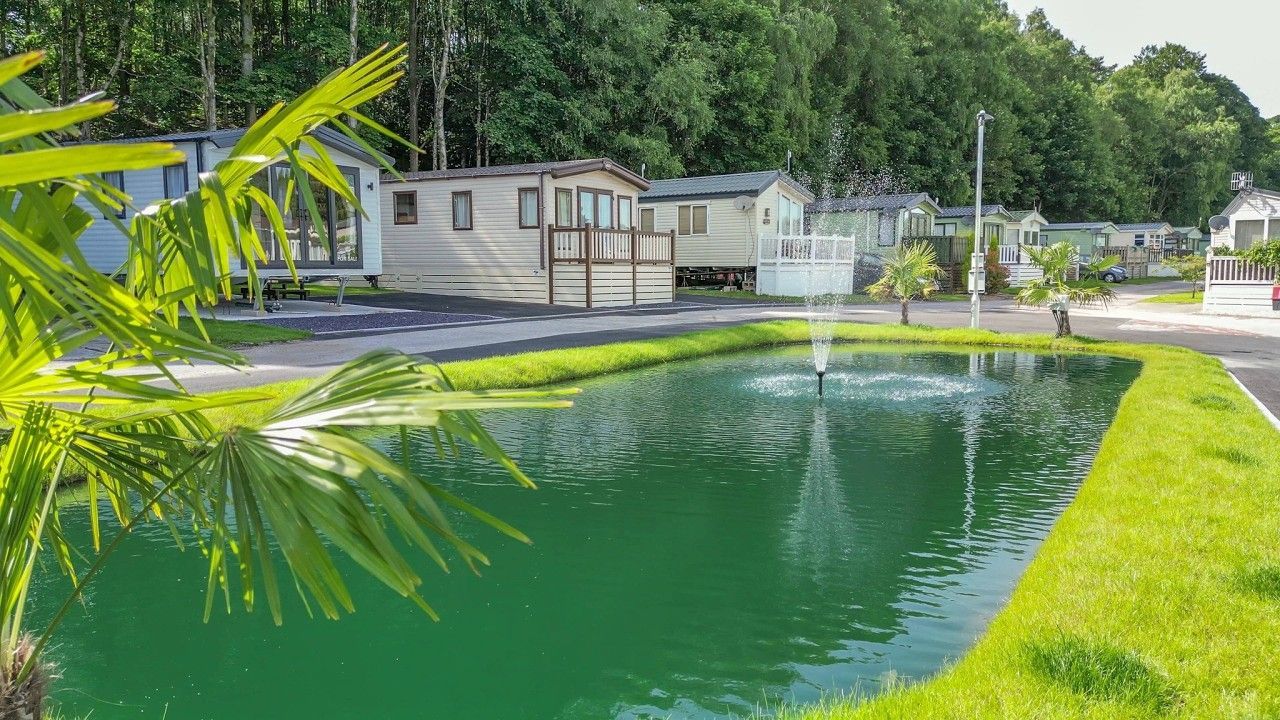
You've found a static caravan you love. The price feels right. The park looks beautiful in the photos.
Then six months in, you discover the site fees have increased by 5%, the park won't let you sublet during quiet weeks, and the licence expires in three years - meaning you'll need to remove or upgrade the caravan sooner than you thought.
I've watched this happen more times than I'd like to count. After 43 years of combined team experience across holiday parks and private sales, we've seen buyers make decisions based on the caravan itself whilst overlooking the things that actually determine whether ownership feels like freedom or becomes a source of ongoing stress.
Here are the mistakes that cost people the most - and what to look for instead.
1. Skipping the Park's Rules and Licence Agreement
Most buyers look at the caravan. Very few read the park's terms before they commit.
That's where the problems start.
Every park operates differently. Some allow subletting. Others don't. Some permit dogs. Others have breed or size restrictions. Some parks close for several months each year, meaning you can't access your caravan during that period even if you want to.
The licence agreement isn't just paperwork - it's the contract that governs what you can and cannot do with your holiday home. It'll tell you whether you can rent it out, how long you can stay, what happens when the licence expires, and what fees you're responsible for beyond the purchase price.
What to do instead: Request a copy of the park rules and the licence agreement before you view. Read them. Not skimming - actually read them. If something feels unclear, ask the park directly. If they won't provide the documents upfront, that tells you something too.
We cover the full documentation checklist in our Complete Guide to Buying a Private Sale Caravan, including what to request from sellers and parks before you commit.
2. Assuming All-Year Access Means You Can Live There
"Can I live in it full-time?"
It's one of the most common questions we hear. The short answer is almost always no - but the confusion comes from how parks describe access.
A caravan with "12-month access" or "all-year availability" means you can visit throughout the year. It does not mean you can use it as your primary residence. Most static caravans are licensed for holiday use only, and using one as a permanent home can breach your licence agreement, your insurance, and, in some cases, local authority regulations.
If you're caught, you could be asked to leave with little notice.
What to do instead: Be clear about how you plan to use the caravan, and make sure the park and the licence support that use. If you're looking for something closer to residential, you'll need a residential park home on a protected site – which is a different market entirely.
3. Underestimating the Real Cost of Ownership
The purchase price is just the beginning.
Site fees - sometimes called pitch fees - are your annual cost for keeping the caravan on the park. These vary widely depending on location, facilities, and whether the park is open all year-round. They can range from a few thousand pounds to well over £10,000 per year on premium parks.
Then there's insurance, gas and electricity if not included in your site fees, maintenance, repairs, and eventual upgrades or replacement costs when the caravan reaches the end of its licence period.
Some buyers budget for the caravan and forget the rest. That works until the first site fee invoice arrives, or the boiler needs replacing, or the park increases fees faster than expected.
What to do instead: Ask the current owner or park (if buying a park stock unit) what their annual site fees are - and whether they've increased in recent years. Factor in insurance, utilities, and an allowance for repairs. Work out the total annual cost before you decide whether ownership fits your budget.
4. Ignoring Age Limits and Licence Length
Most parks have an age limit for caravans - typically between 10 and 15 years old, though some allow older units and others are stricter.
Once your caravan reaches that age, the park may require you to remove it, upgrade it, or purchase a newer model to stay on site. If you're buying a caravan that's already 12 years old and the park has a 15-year limit, you've got three years before you're facing that decision.
The licence agreement will also specify how long the caravan can remain on the pitch. Some are renewed annually.
Others run for a set term. Either way, there's no automatic right to stay - and understanding the terms now saves surprises later.
What to do instead: Check the caravan's age and the park's age policy before you view. Ask how long the current licence runs and what happens when it expires. If you're buying an older caravan, make sure you're comfortable with the timeline - and the potential costs that come with it.
We've written more about age-related considerations and what they mean for resale value in our guide: Second-Hand Static Caravan for Sale: What You Actually Need to Know Before You Buy.
5. Missing the Signs of Damp or Poor Maintenance
Damp is the single biggest issue in static caravans – and one of the hardest to fix.
It often starts invisibly: a small leak around a window seal, a gap in the roofline, condensation that hasn't been managed properly. By the time you see staining, soft walls, or smell that particular musty scent, the damage has usually spread further than it looks.
Repairing damp isn't just expensive - it can make a caravan difficult or impossible to sell later.
Other maintenance red flags: cracked or lifting flooring, windows that don't close properly, boilers or heating systems that "work but are old," and any sign of previous DIY repairs that look temporary.
What to do instead: View in daylight. Check around windows, under sinks, in cupboards, and along the base of external walls. Ask when the boiler was last serviced and whether there's any service history. If you're not confident spotting damp yourself, bring someone who is.
6. Not Understanding Resale Rules and Commissions
Selling a static caravan isn't like selling a house.
Many parks require you to sell through them - or at least give them first refusal. Most charge a commission, which can be 10%, 15%, or more of the sale price. Others restrict how and where you can advertise (no advertising in the window of the caravan for example).
If you're buying with the intention of selling in a few years, those rules matter now. A caravan that feels like a bargain today might become much harder to move on if the park limits your options or takes a significant cut when you sell.
What to do instead: Ask the park about their resale process before you buy. Do they require you to use their sales service? Is there a commission, and if so, how much? Can you sell privately? These aren't awkward questions - they're the ones that protect you later and also what we spend a significant amount of time supporting our customers with on a daily basis.
Understanding resale nuances is particularly important when buying privately - we cover this in detail in our Common Mistakes Static Caravan Owners Make When Selling blog article.
7. Focusing Only on the Caravan, Not the Total Picture
It's easy to fall in love with a caravan. The layout works. The décor's been updated. It feels like the perfect weekend retreat.
But the caravan is only part of the decision.
The park, the licence, the fees, the rules, the location, the resale terms - all of these shape your experience just as much as the caravan itself. A beautiful static on a poorly managed park with restrictive rules and rising fees will feel very different to an older, simpler caravan on a supportive park with transparent costs and flexibility.
What to do instead: Treat this like buying into a community, not just buying a product. Visit the park. Talk to other owners if you can. Ask questions. Take your time. The right caravan in the wrong environment rarely works out.

How We Help Buyers Make Better Decisions
We don't just buy caravans - we help people navigate selling privately with full documentation and marketing support and help buyers understand what they're buying into before they commit.
Whether you're viewing a caravan through us or elsewhere, we're happy to talk through what to look for, what questions to ask, and what the red flags are. It's part of the free, no-obligation advice we offer to anyone navigating this market - because we've seen what happens when people don't get the right guidance early on.
If you're looking for a static caravan and want support from a team that knows this industry inside out, take a look at our available caravans and lodges or get in touch. No pressure - just honest advice from people who've been doing this long enough to know what matters.
We're a National Caravan Council accredited business - the only one offering what we offer in the UK with this credential - specialising in privately owned static caravan and lodge sales. With 43 years of combined team experience, we provide expert guidance, honest advice, and personalised support to buyers and sellers across the UK.
Contact us on 01262 410914 or sales@caravanbuyer.co.uk for any information you need