
Can You Live in a Static Caravan Permanently?
The difference between holiday park access and permanent residence - and why it really matters
It's the question we hear most weeks: "Can I actually live in this static caravan all year round?"
The answer isn't quite yes or no. It's "depends where it's sited" - and that makes all the difference.
Holiday Parks vs Residential Parks: What Actually Changes
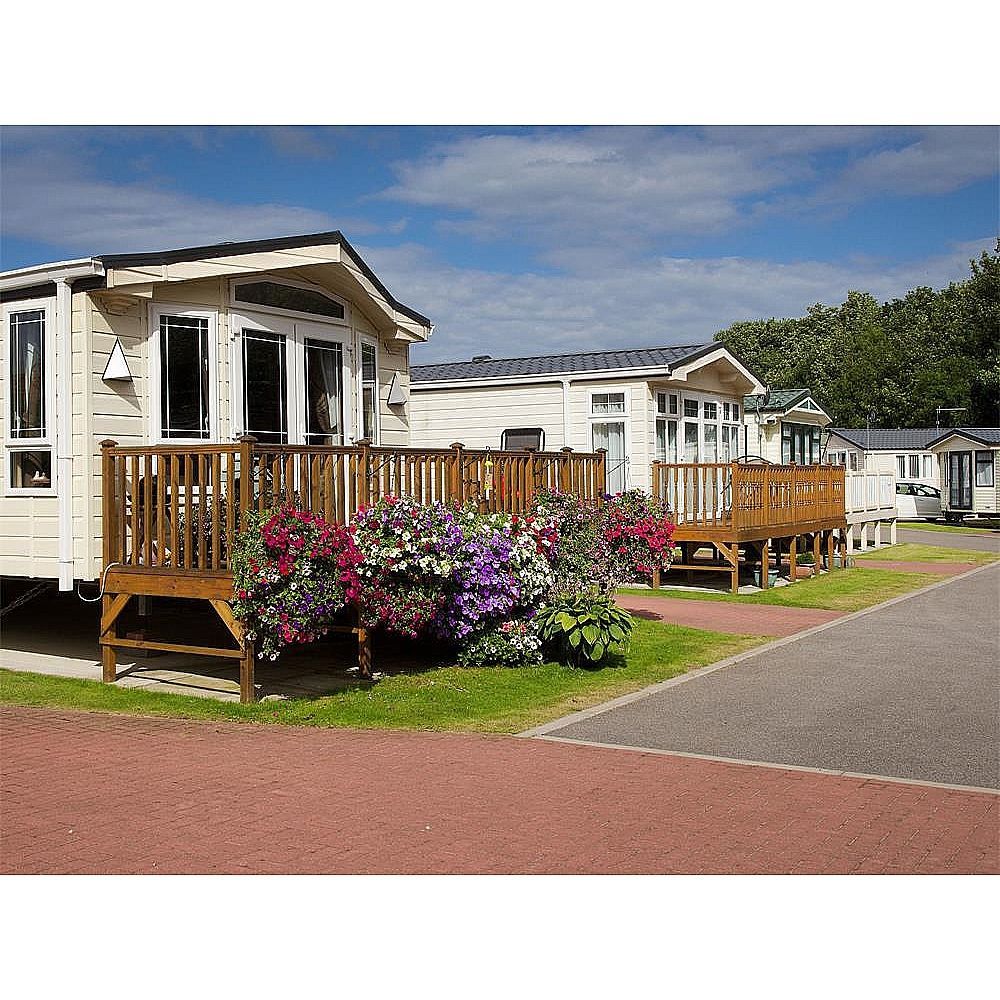
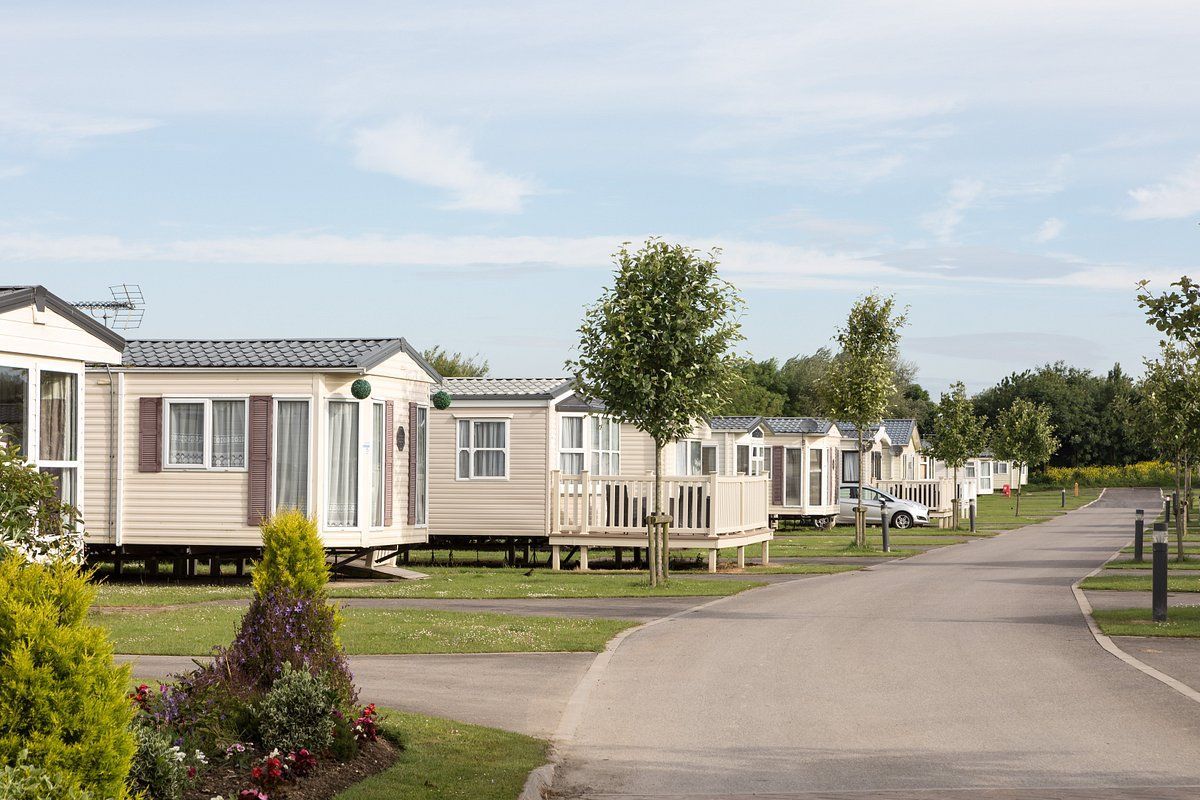
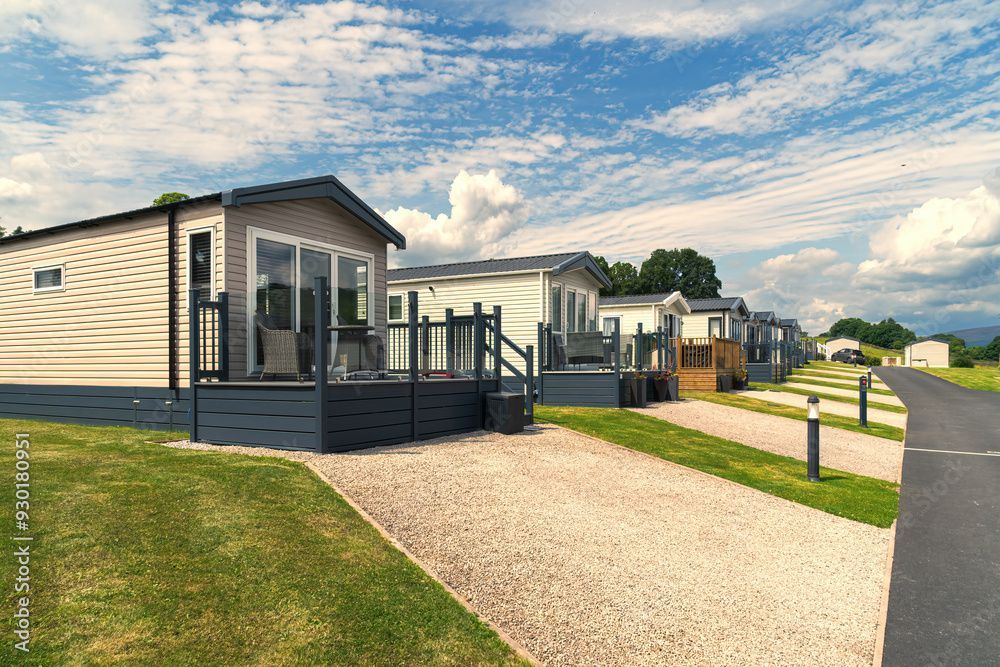
A static caravan on a holiday park might offer 11-month access. Sounds close to permanent, doesn't it? But that licence usually means you can't use it as your main residence. The park expects you to have another address.
Most holiday parks enforce a closed period - often in January or February, this is when you're required to leave.
Even when the park is open for those 11 months, your pitch licence will typically restrict how long you can stay in one visit. Many parks set a limit of around 60 consecutive days, though this varies between operators. Some are more restrictive, others slightly more flexible - but the principle remains: you're expected to leave periodically, which reinforces that this isn't your permanent home.
A residential park is different. You can live there full-time. It's your registered address. You pay council tax instead of rates bundled into park fees. The caravan is your home, not your holiday.
The confusion usually starts when someone sees "12-month season" and assumes that means residential. It doesn't. All-year access means you can visit any time. Permanent residence means you can live there.

What Your Park Licence Actually Allows
Every static caravan comes with a pitch licence or agreement. This document which is often several pages of terms you'll want to read properly sets out what you can and can't do.
Holiday park licences typically restrict:
- Using the caravan as your main home
- Registering it as your permanent address
- Running a business from the pitch
- The number of consecutive nights you can stay
Residential park agreements are closer to tenancy arrangements. You'll usually find:
- Rights to occupy year-round
- Permission to use it as your sole residence
- Responsibility for council tax
- Stricter rules around caravan age and condition
Some parks sit somewhere in between - offering long seasons but not full residential status. Always check what the park actually permits before you assume anything based on the number of months available.
The Specification Doesn't Determine Where You Can Live
We regularly speak to customers who've been told or have assumed, that because their caravan is built to "residential specification," they can live in it permanently.
That's not how it works.
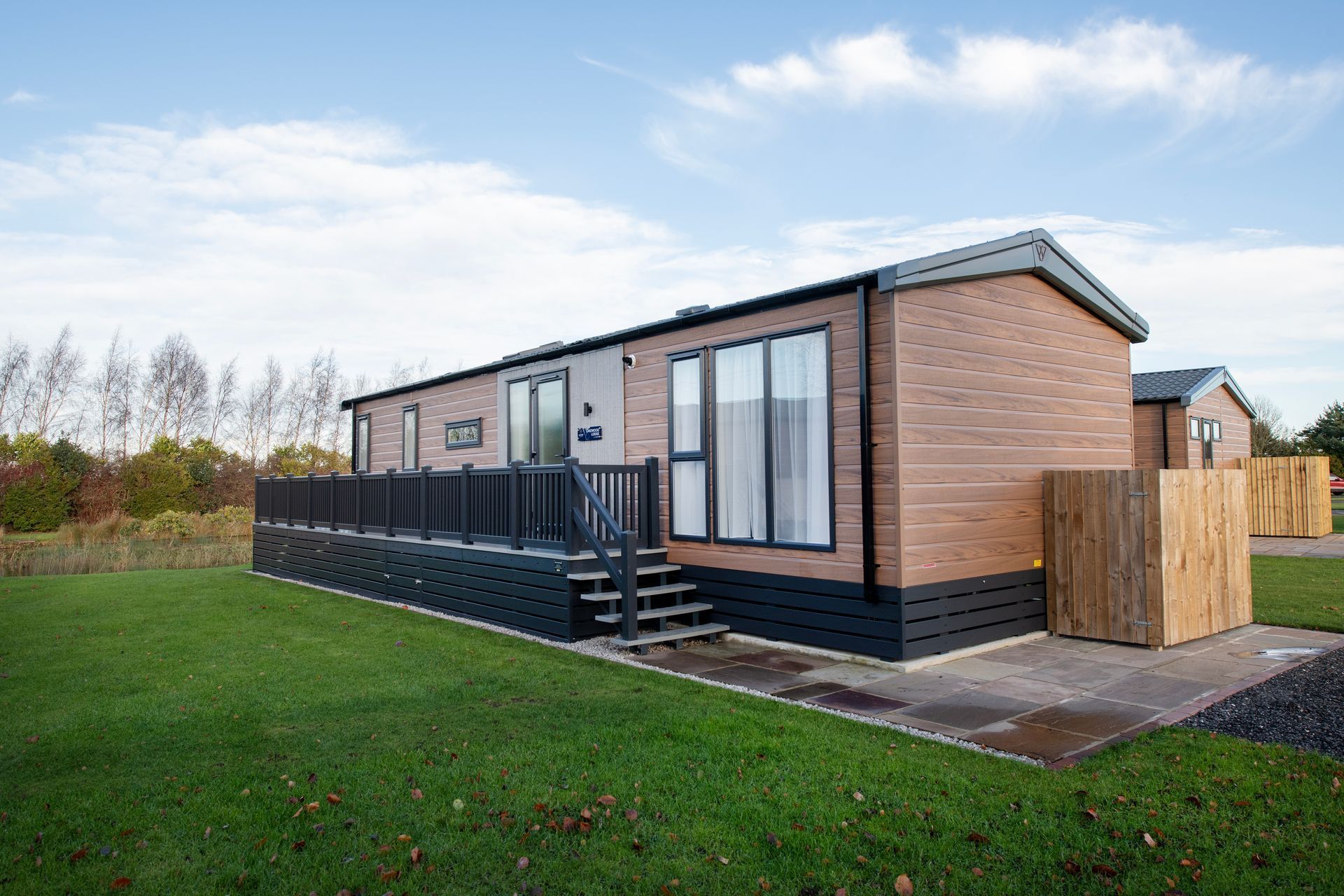
A caravan built to residential spec typically has better insulation, double glazing, central heating designed for year-round use, and construction standards suited to full-time occupation. These are manufacturing features. They make the caravan more comfortable and energy-efficient if you're living in it.
But they don't grant you permission to live in it.
Permission comes from the park licence, not the factory specification. You can have a top-of-the-range residential-spec lodge sited on a holiday park, and you still won't be allowed to use it as your main residence. The specification of the caravan is irrelevant if the park's planning permission only allows holiday use.
Equally, a holiday-spec caravan on a residential park would be allowed for permanent living, though it might not be particularly comfortable in winter, and the park may have minimum specification requirements you'd need to meet.
The distinction matters because it's a common source of confusion, and sometimes misrepresentation. If someone is selling you a residential-spec caravan, ask where it's sited and what the park licence permits. The two things are connected to comfort, not legality.
Why Understanding the Rules Before Purchase Matters
Over decades working in this sector, we've encountered situations that should never happen but still do.
Some sales advisors, historically and in recent cases we've heard about from customers, have been known to downplay holiday park residency restrictions. The reassurance sounds reasonable at first: "As long as you're away for a night here and there, you'll be fine" or "The park doesn't enforce those rules strictly - don't worry about it."
That advice is misleading. Worse, it's potentially costly.
The enforcement of permanent residency restrictions doesn't ultimately rest with the park - it rests with the local council. Planning regulations dictate what a holiday park can be used for, and councils have the authority to investigate breaches. Parks that turn a blind eye to permanent occupation risk their own licensing, which means when pressure comes, they will act.
The simplest test: if the park closed tomorrow, would you have a home to go to immediately?
COVID-19 exposed this reality across the UK. When parks were forced to close during lockdown, many discovered they had occupants living in holiday caravans with nowhere else to go. It created difficult situations for everyone involved, owners who'd been led to believe the arrangement was acceptable, parks facing regulatory scrutiny, and councils enforcing rules that had been quietly ignored for years.
If you're purchasing a static caravan on a holiday park, make certain you have another permanent residence. If you're buying with the intention of living there full-time, a residential park is the only legitimate route.
The Factors Most Buyers Miss
We've worked with enough people over the years to know which questions get asked too late.
Postal address. If it's a holiday park, your caravan usually can't be your registered address. That affects everything from bank accounts to vehicle insurance. Some buyers only realise this when they try to update their driving licence.
Financing. Residential caravans are easier to finance because lenders see them as homes. Holiday caravans are leisure purchases. The lending market treats them differently, and interest rates often reflect that.
Resale restrictions. Some parks require you to sell through them and the majority whether it is sold through them or not will charge a commission on the sale as it is on their land. Most will let you sell privately but will retain approval rights over buyers. If you're planning to live somewhere long-term, you want to know how easy it'll be to leave.
Caravan age limits. Residential parks often enforce a maximum age - usually 10 to 20 years from new, after which your caravan has to be removed or replaced. That's a significant cost if you're planning to stay put.
What Living in a Static Caravan or Park Home Actually Offers
There's a reason people ask the question in the first place.
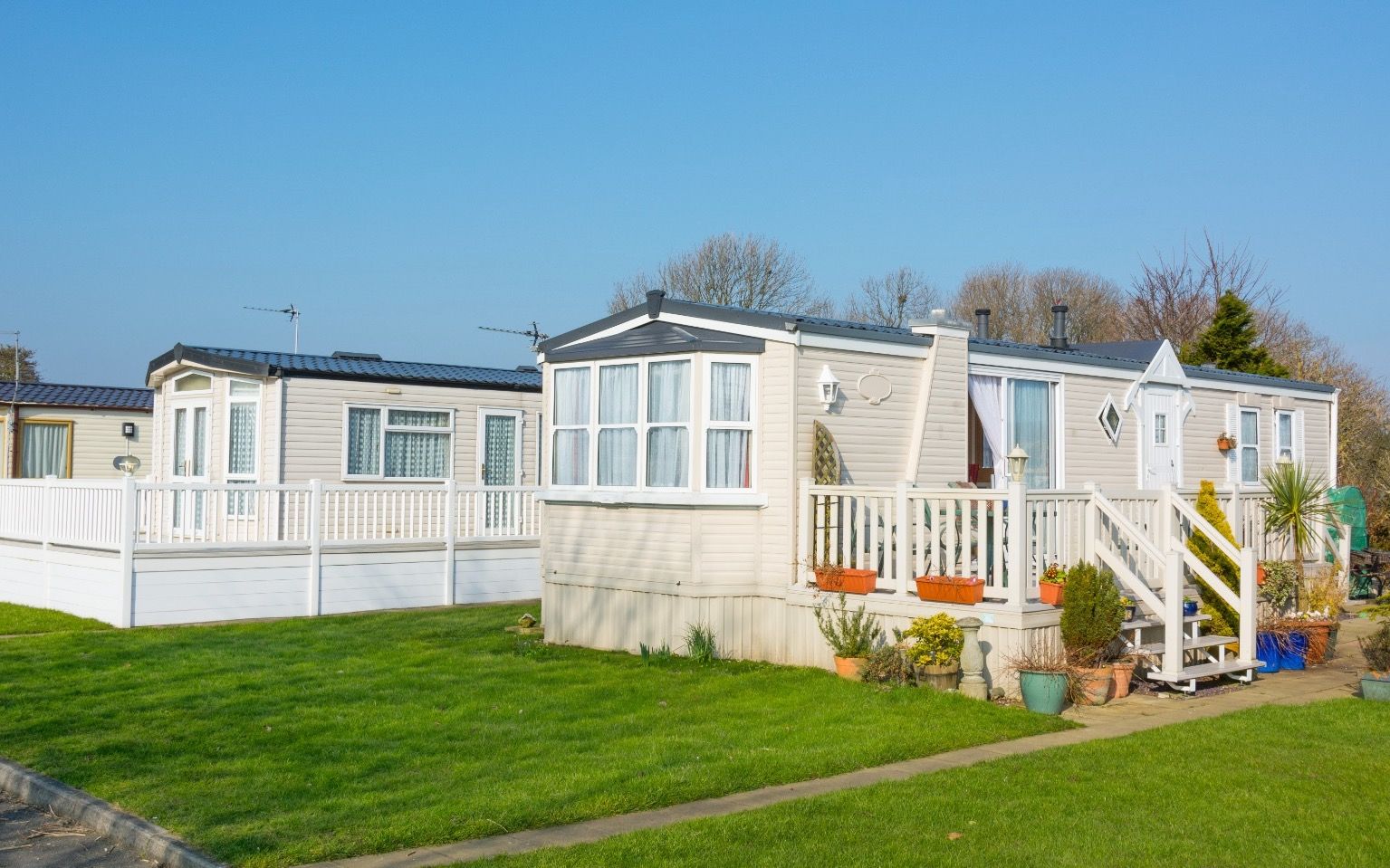
Static caravan or Park Home living - when it's allowed tends to appeal to buyers who want lower overheads, less maintenance, and access to a community or location they love. Residential parks are often quieter than holiday parks. The people around you live there too, so the atmosphere feels more settled.
Downsizing into a Static or Park Home can release equity from a larger property. For some buyers, that's the entire point. Others are drawn to coastal or rural parks they couldn't otherwise afford to live near.
But it's not without limitations. Space is tighter. Storage requires discipline. Most residential parks are for over-50s, which rules out younger buyers or families. And while running costs are generally lower than a house, pitch fees still apply - and they can increase annually.
Before You Commit to Anything
If you're seriously considering a Static Caravan as a permanent home, start with the park type. Holiday or residential? That decision shapes everything else.
Then ask the park directly:
- Can I register this as my main address?
- What are the pitch fees, and how often do they increase?
- Are there age restrictions - for residents or caravans?
- What happens if I want to sell?
- What's the closed season, if any?
Most disappointment we see comes from assumptions made early and discovered late. Someone buys on a beautiful holiday park, loves the location, then realises six months in they can't actually live there. Or they move onto a residential park without checking the caravan age limit and face an unexpected replacement cost three years later.
We've spent years helping buyers work out the difference between what a caravan offers and what a specific park allows. It's rarely the caravan itself that's the problem. It's whether the pitch licence matches what you're actually trying to do. If you have already decided it is residential you are looking for, there is some useful information here https://www.gov.uk/park-mobile-homes
If you're exploring Static Caravans and want to understand what's realistic for your situation, we're happy to talk it through.
No pressure - just a conversation about what works where, and what to watch for before you commit. Feel free to call us on 01262 410914 or email us at sales@caravanbuyeruk.co.uk.